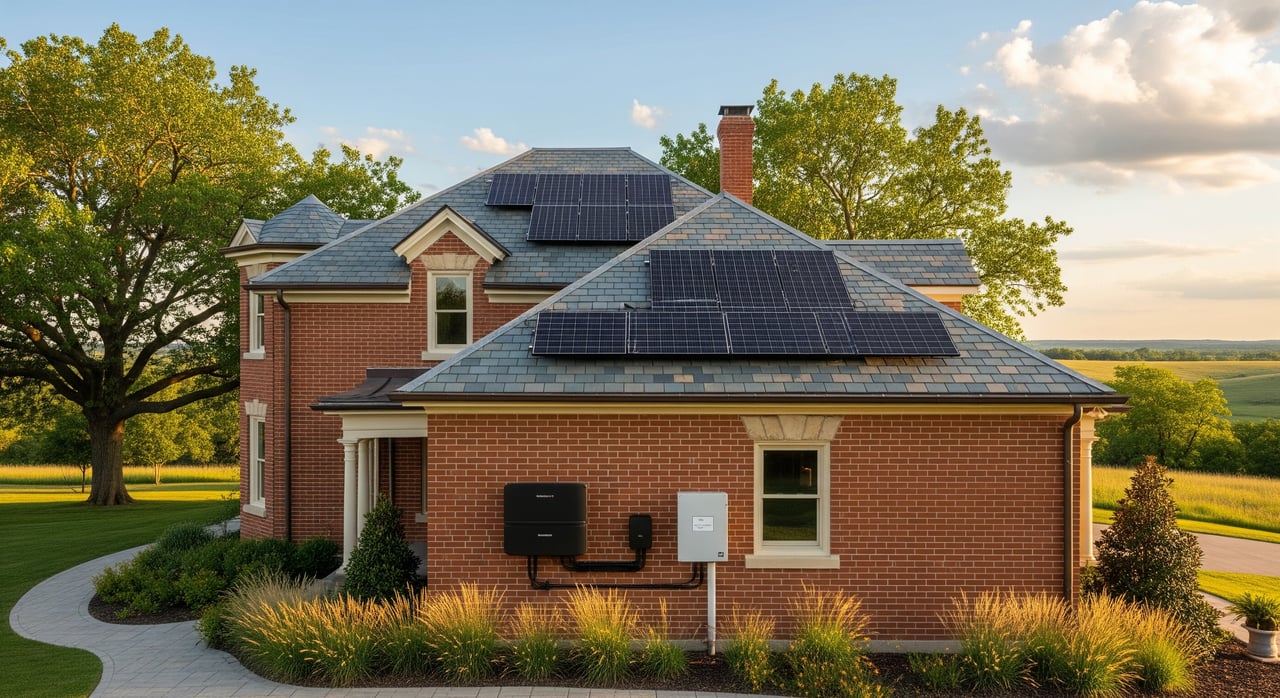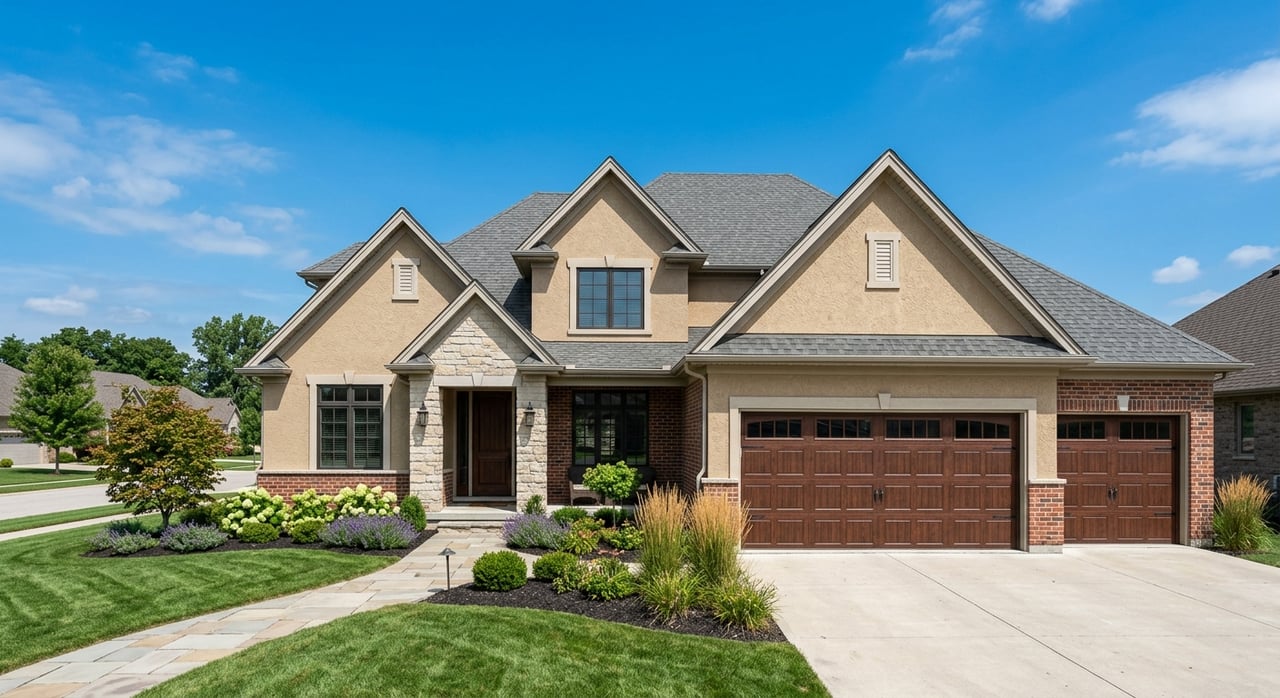
Wondering whether Yukon or Mustang is the better fit for your next home? If you are comparing west and southwest Oklahoma City suburbs, you are not alone. Both communities offer mostly single-family housing, suburban convenience, and access to the metro, but the day-to-day feel can be a little different. This guide will help you compare location, housing stock, lot patterns, and lifestyle factors so you can narrow down what fits you best. Let’s dive in.
Yukon vs. Mustang at a Glance
Yukon and Mustang are both established suburban markets in the Oklahoma City metro, and both are heavily geared toward single-family homes. The biggest differences show up in size, density, housing age, and ownership patterns.
Yukon is the larger city by area, covering 26.54 square miles, while Mustang covers 12 square miles. Yukon is also less dense, with about 890.4 people per square mile compared with 1,851.8 people per square mile in Mustang. In practical terms, Yukon may feel a bit more spread out, while Mustang may feel a little more compact.
Location and Commute
For many buyers, the first question is simple: how will this location work with your daily routine? Yukon sits on Interstate 40 near the west loop of the Kilpatrick Turnpike, and regional materials describe downtown Oklahoma City as about a 15-minute drive.
Mustang is positioned at State Highway 4 and State Highway 152, about five minutes south of Interstate 40. That can be appealing if your routes take you through the southwest side of the metro or other nearby suburban areas.
Citywide Census data also show a small difference in average commute time. Yukon reports a mean travel time to work of 22.8 minutes, while Mustang reports 26.4 minutes. That does not predict your exact drive from any one house, but it does suggest Yukon may read a bit closer to the core for many workers.
Home Styles and Housing Age
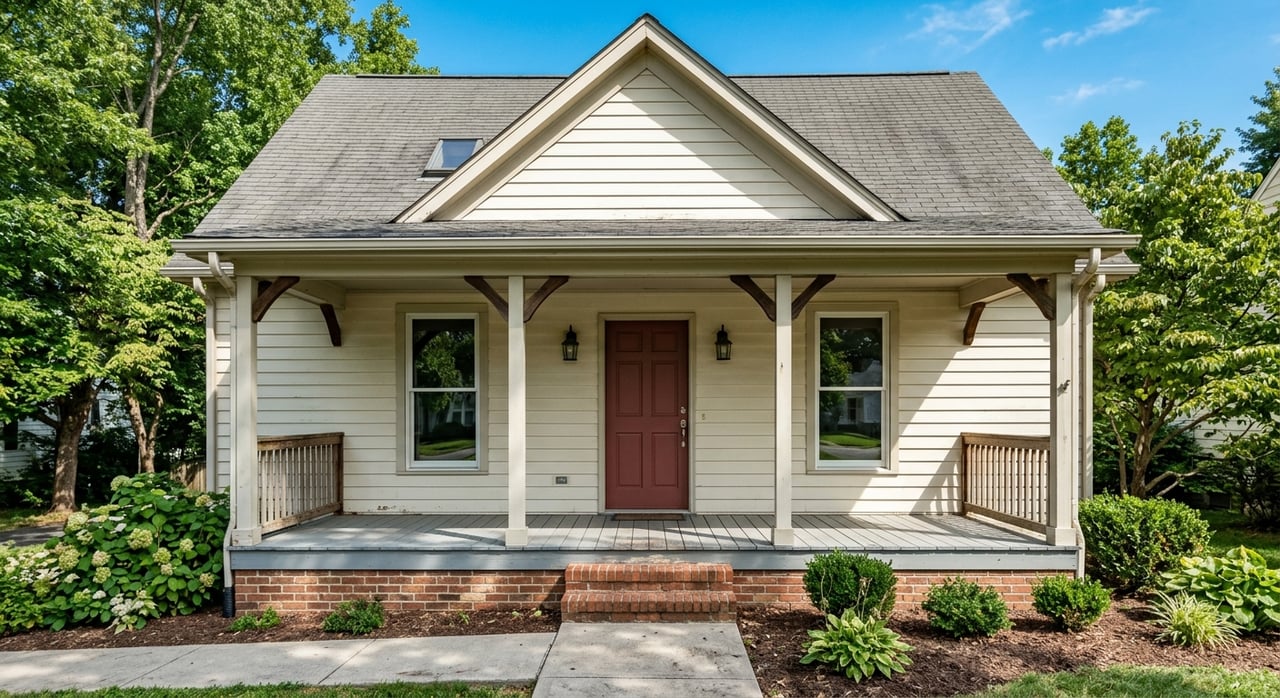
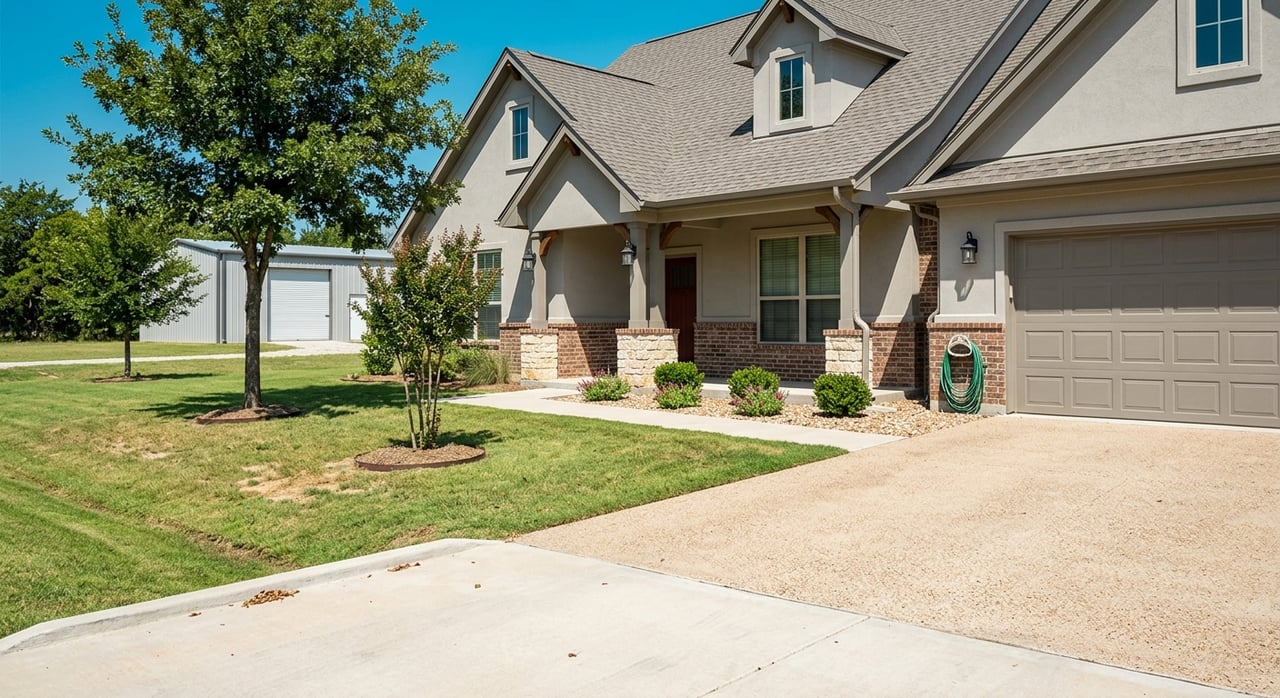
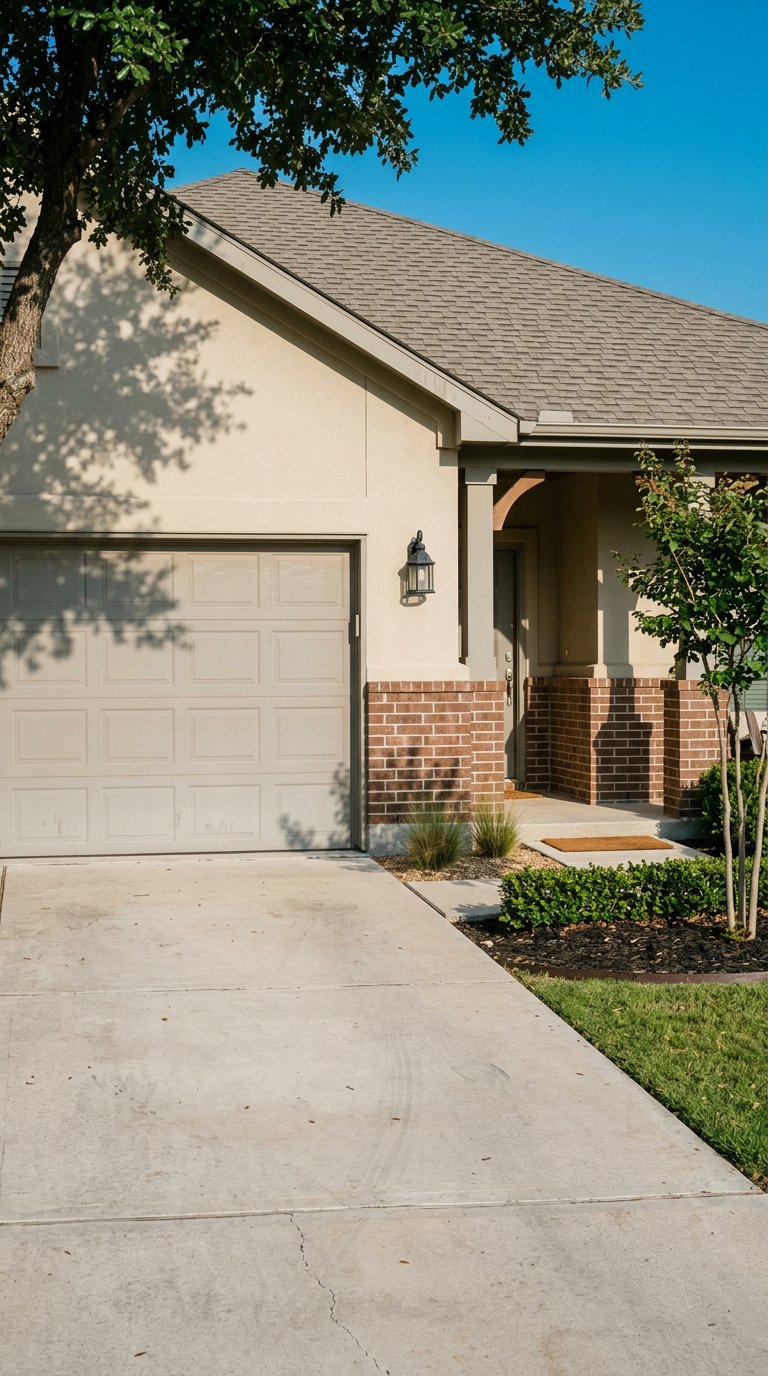
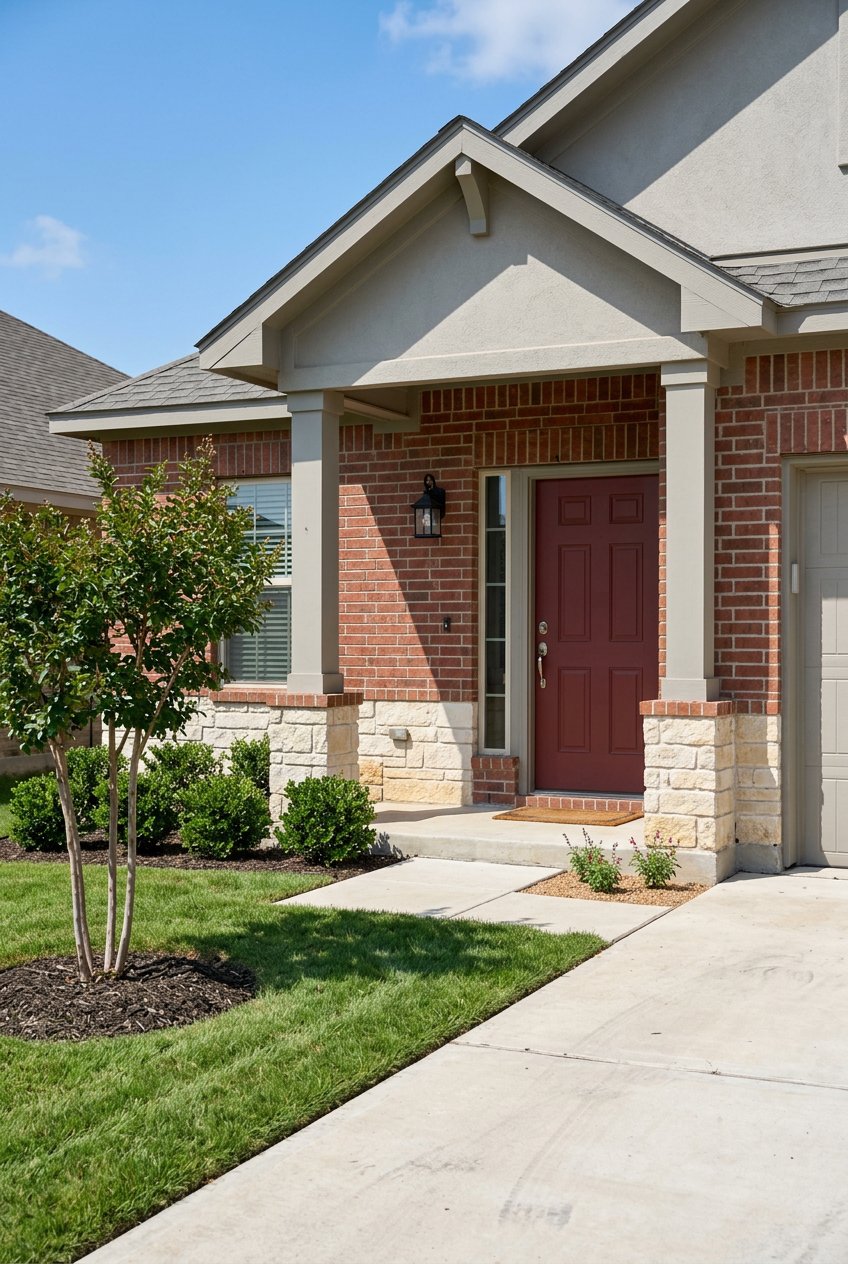
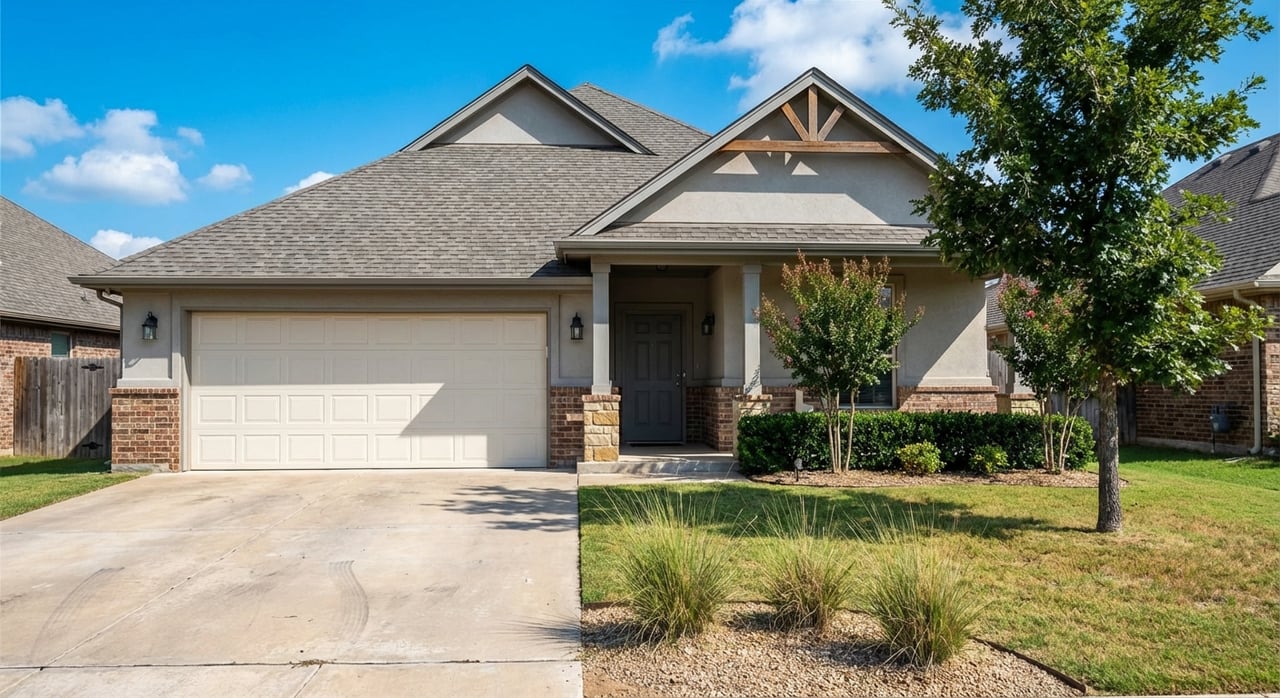
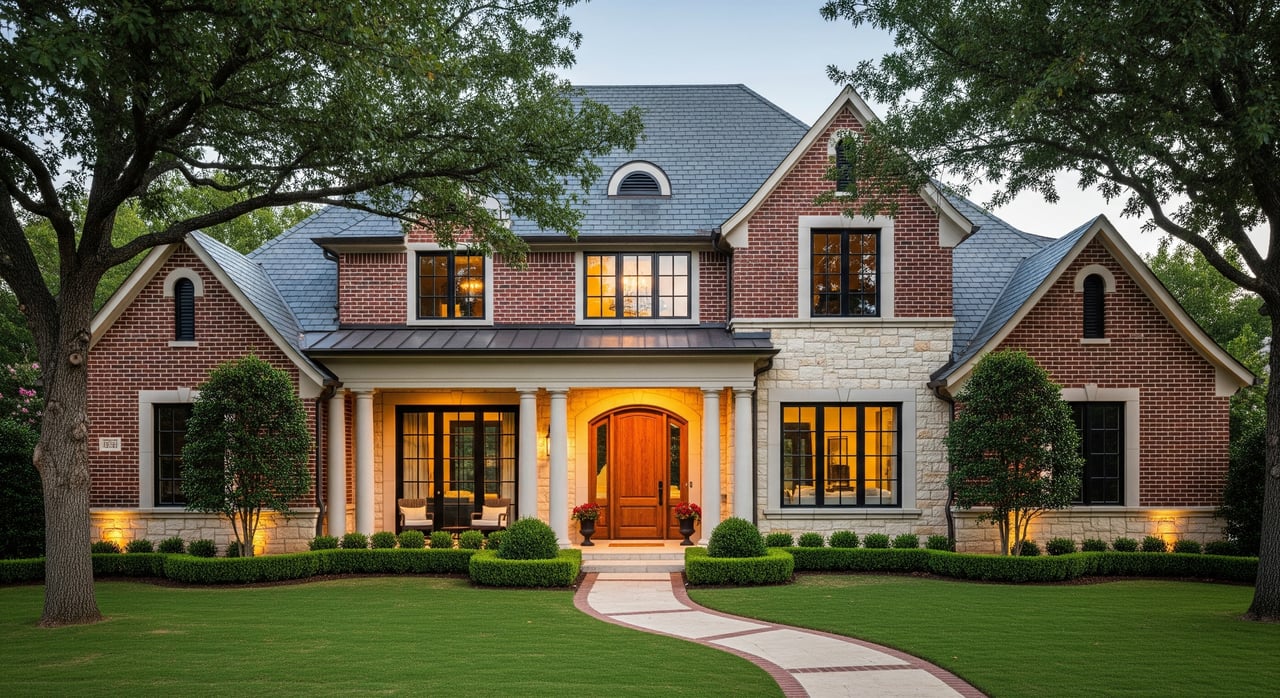
If you care about whether a neighborhood feels more established or somewhat newer, this is one of the clearest differences between the two markets. Both cities are overwhelmingly single-family, with older ACS housing summaries showing 85.9% of Yukon housing units and 84.1% of Mustang housing units as one-unit detached homes.
The bigger contrast is in the age of the housing stock. Yukon’s median year structure built was 1978, and the largest share of homes in that summary was built in the 1970s. Mustang’s median year structure built was 1987, with a larger share of homes built in the 2000s.
That means you may find more established housing patterns in Yukon and somewhat newer overall housing trends in Mustang. Neither city is all one thing, of course, but this can be a useful starting point when you begin touring homes.
Home Values and Ownership Trends
Recent Census data show another notable difference between the two cities. Mustang has the higher median owner-occupied home value at $239,200, compared with $198,900 in Yukon.
Mustang also has a higher owner-occupied housing rate. The latest QuickFacts report 75.8% owner occupancy in Mustang versus 68.9% in Yukon.
For buyers, this does not automatically make one market better than the other. It simply means Mustang currently trends higher on these ownership and median-value measures, while Yukon appears as the lower median-value market in the latest Census snapshot.
Lot Sizes: More Similar Than Different
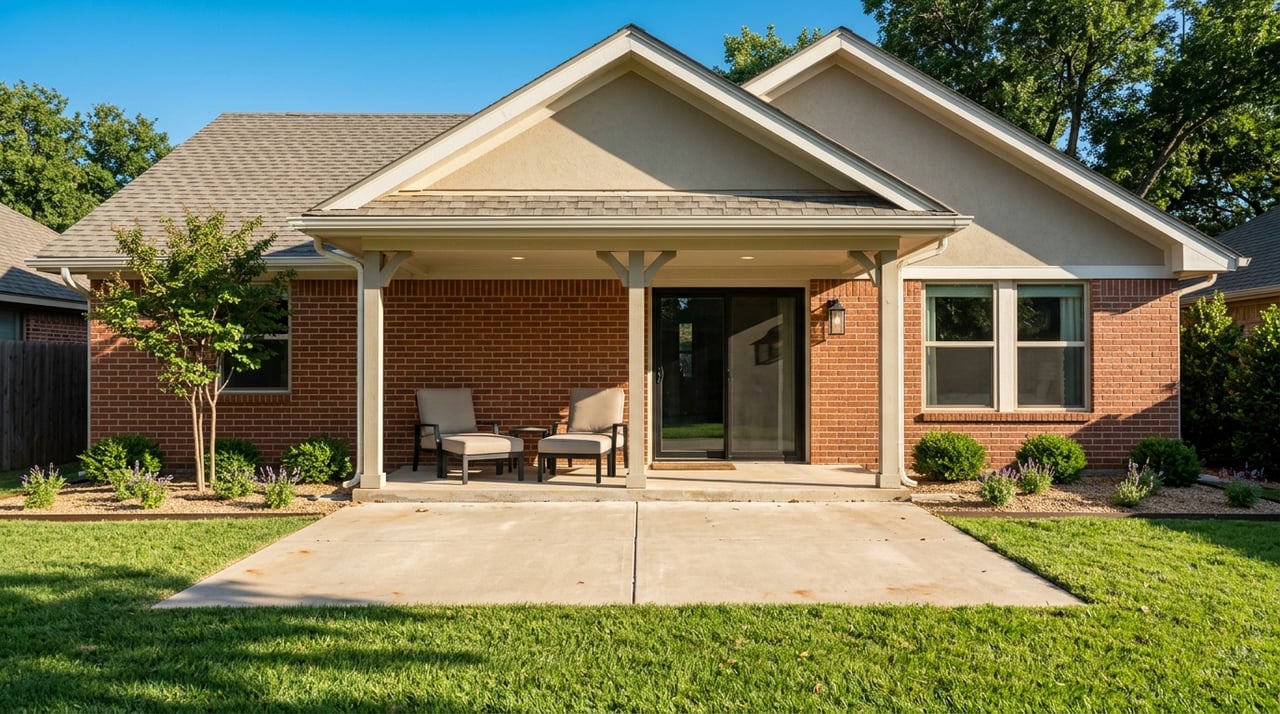
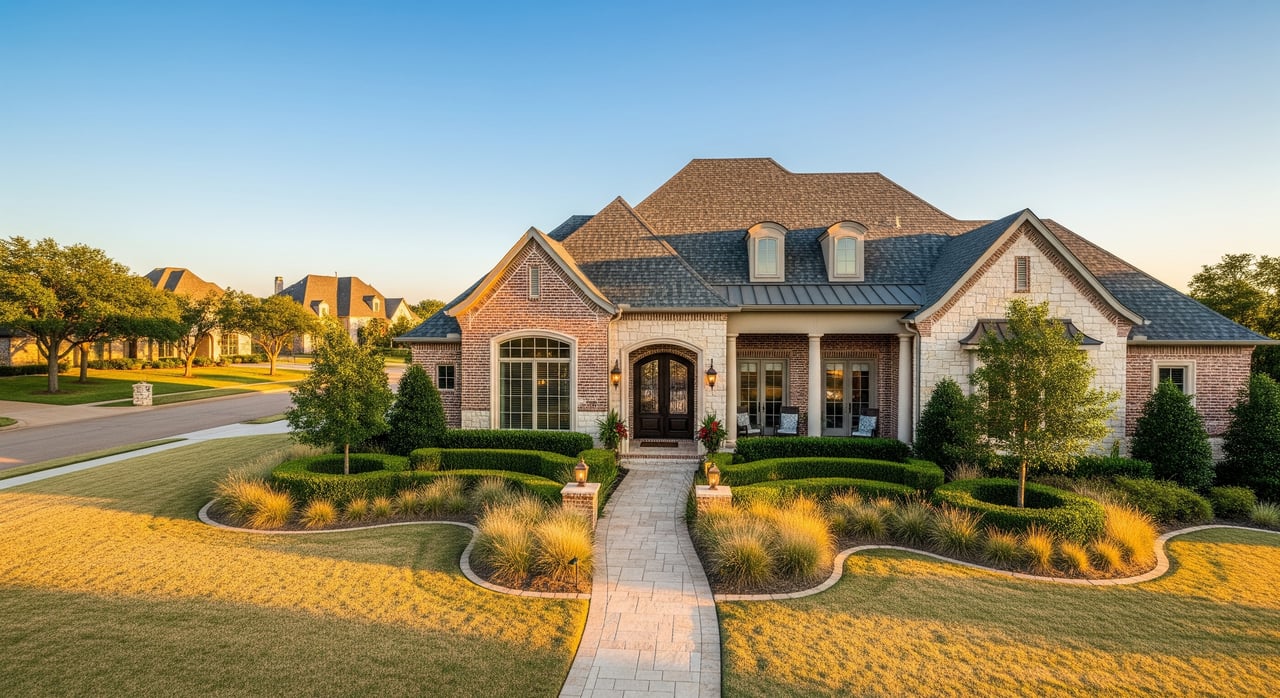
A lot of buyers assume one suburb always has larger lots than the other, but the listing patterns do not really support that. In both Yukon and Mustang, many current listings cluster around typical suburban lot sizes.
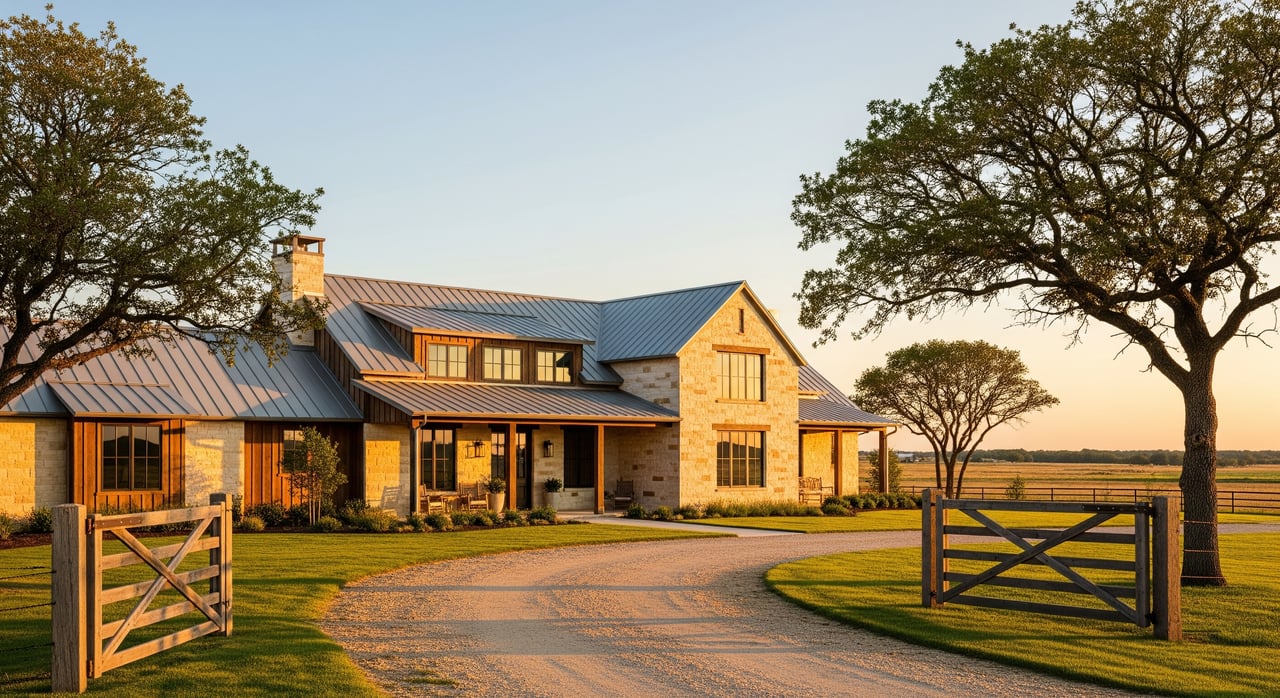
In Yukon, sampled listings commonly fall in roughly the 6,000 to 10,000 square foot range, with some larger lots over an acre on the edges of town. In Mustang, sampled listings often fall around 5,000 to 9,000 square feet, but there is also a wider spread into larger parcels, including some around a third of an acre and occasional fringe acreage.
The key takeaway is that lot size usually depends more on the subdivision and the property’s location within or near the city than on the city name alone. If yard space matters to you, it is smart to compare specific neighborhoods and individual listings rather than rely on broad assumptions.
Daily Life and Community Amenities
When you are choosing where to live, numbers only tell part of the story. The other part is how a place feels when you spend your weekends there, run errands, or use the local parks and recreation options.
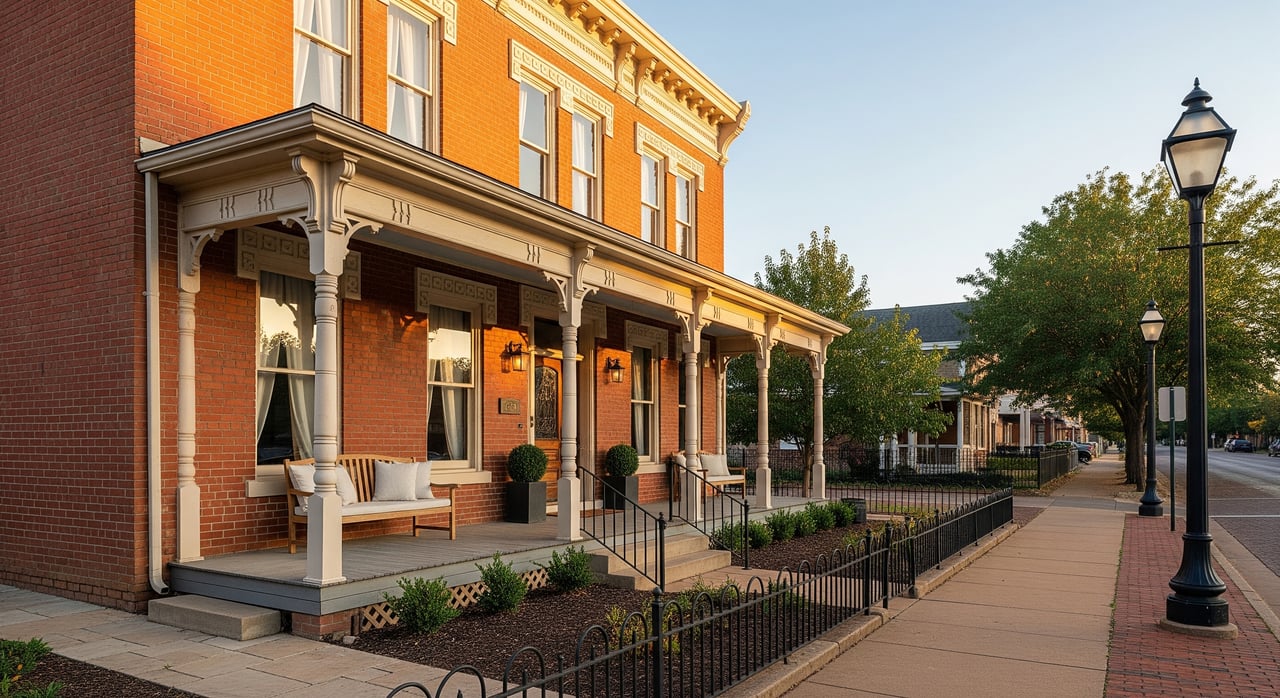
Yukon highlights a broad parks and recreation system with more than 218 acres across 11 parks. The city also emphasizes trails, splash pads, a community center, and communitywide special events. Regional materials also point to Route 66, downtown antique and retail activity, and Yukon’s Czech heritage.
Mustang emphasizes a recreation center, active adults center, aquatic park, splash pad, sports leagues, special events, and a farmers market. Regional materials describe Mustang as a small-town community with quick access to metro shopping and entertainment.
For many buyers, that can translate into Yukon feeling a bit more spread out and event-oriented, while Mustang can feel more compact and town-center focused. That is not a formal designation, but it is a practical way to think about the difference.
Which Buyer May Prefer Yukon?
Yukon may be worth a closer look if you want:
- A larger city footprint with a less dense feel
- Slightly shorter average commute times based on citywide Census data
- Housing stock that trends older and more established
- A lower median owner-occupied home value compared with Mustang
- Strong access to parks, trails, community events, and Route 66 character
If your priority is finding value in a mostly single-family suburban market, Yukon may offer the kind of starting point you want.
Which Buyer May Prefer Mustang?
Mustang may be a better fit if you want:
- A more compact suburban setting
- A market with somewhat newer overall housing patterns
- Higher owner-occupancy rates
- A city with a recreation-focused amenity mix and farmers market presence
- A home search focused on neighborhoods that may feel a little newer on average
If you like a denser suburban footprint and want to compare homes in a market with a higher current median owner-occupied value, Mustang may stand out.
How to Choose Between Yukon and Mustang
The best choice usually comes down to a few practical questions, not just citywide averages. In this comparison, the most useful things to weigh are your commute route, the age and style of homes you prefer, and the subdivision-level lot sizes you actually want.
As you compare options, focus on these questions:
- Do you want a more established feel or a somewhat newer housing pattern?
- Which commute route fits your work and weekly routines best?
- How much outdoor space do you really want?
- Do you prefer a more spread-out setting or a more compact one?
- Which parks, recreation features, and local gathering spots match your lifestyle?
Those factors usually matter more in real life than broad city labels.
Why Local Guidance Matters
On paper, Yukon and Mustang can look similar because both are suburban, single-family oriented, and connected to the Oklahoma City metro. Once you start touring homes, though, the differences become more specific. One subdivision may feel very different from another, even within the same city.
That is where local guidance can make the process easier. When you compare neighborhood by neighborhood, you can focus on the homes, lot sizes, commute paths, and community features that actually match your goals instead of guessing from city names alone.
If you are weighing Yukon against Mustang and want help narrowing down the right fit, Kruckeberg Realty, LLC can help you compare homes, neighborhoods, and next steps with clear, local guidance.
FAQs
Is Yukon or Mustang bigger?
- Yukon is larger by area at 26.54 square miles, while Mustang covers 12 square miles.
Are Yukon and Mustang mostly single-family home markets?
- Yes. Housing summaries show both cities are overwhelmingly made up of one-unit detached homes.
Does Yukon or Mustang have newer homes?
- Mustang trends newer overall in the housing-age data, with a median year structure built of 1987 compared with 1978 in Yukon.
Is Yukon or Mustang more expensive?
- Based on the latest Census QuickFacts, Mustang has the higher median owner-occupied home value at $239,200, compared with $198,900 in Yukon.
Do Yukon and Mustang have different lot sizes?
- Both cities show many listings on typical suburban lots, and lot size differences usually depend more on the subdivision and fringe location than on the city name itself.
Which city has the shorter average commute time?
- Citywide Census data show Yukon with a mean travel time to work of 22.8 minutes and Mustang at 26.4 minutes.