Thinking about buying a historic home or fixer in Guthrie? You could end up with a property full of character, but you could also step into a project with more moving parts than a typical home purchase. If you want to make a smart decision, it helps to understand Guthrie’s historic status, local review process, and the repairs that often matter most in older homes. Let’s dive in.
Why Guthrie homes need extra homework
Guthrie is not just a town with older houses. According to the Oklahoma Historical Society, Guthrie grew out of the 1889 Land Run, served as the territorial capital, and was Oklahoma’s state capital from 1907 to 1910.
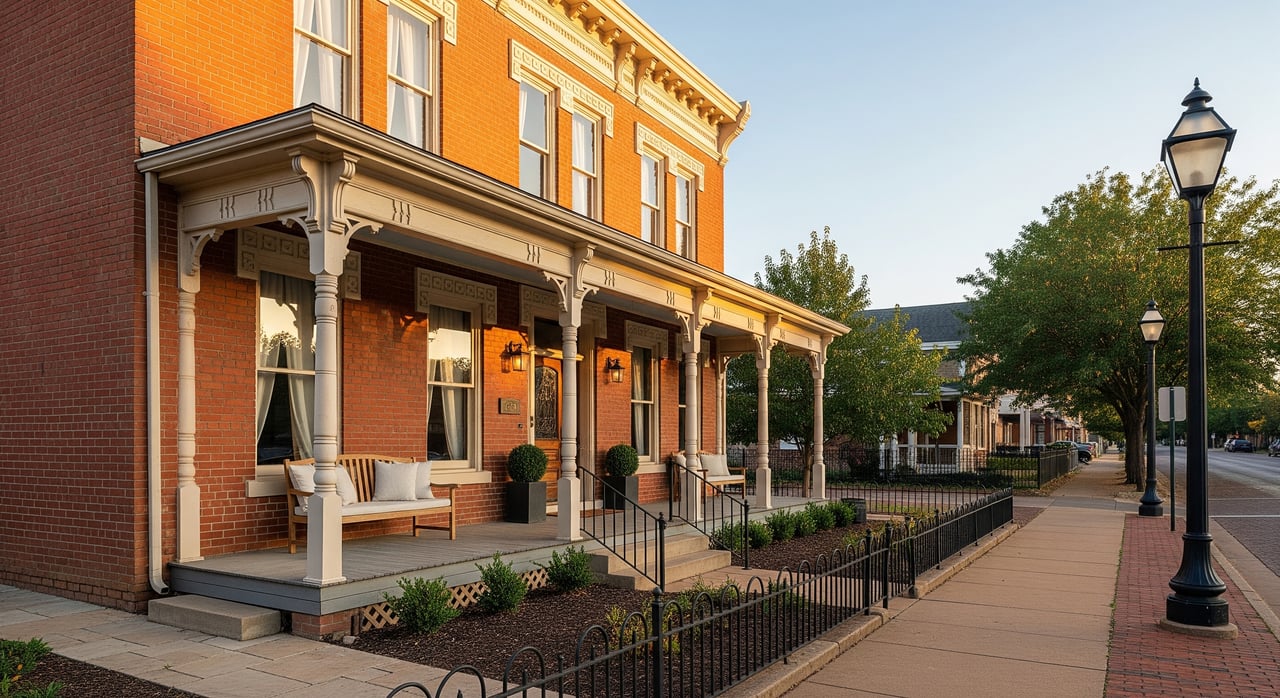
That history still shapes the housing market today. The City of Guthrie says part of the downtown Capitol Townsite Historic District is a National Historic Landmark, and the district’s National Register listing covers about 1,400 acres. For you as a buyer, that can mean a home’s age and charm come with preservation considerations that affect repairs, design choices, and project timing.
Check historic district status first
Before you get too far into the buying process, confirm whether the property is inside Guthrie’s historic district. That single detail can affect what you can change on the exterior and how quickly your project can move.
The City of Guthrie says the Historic Preservation Commission reviews applications for exterior alterations to buildings in the historic district. The city’s preservation ordinance also controls zoning and building changes there, which means exterior updates may need review earlier than they would in a non-historic area.
Why exterior changes matter
If you are buying a fixer, it is easy to focus on the big-ticket items like price, layout, and contractor bids. In a historic district, you also need to think about how planned exterior work fits local design guidelines.
The city says its guidelines help owners, contractors, and the commission evaluate changes in design, materials, and external appearance. The guidelines are based on the Secretary of the Interior’s Standards for Rehabilitation, so your intended updates may need to match a preservation-minded approach.
Ask about approvals before closing
A simple plan like replacing windows, changing siding, or altering a porch may not be as simple as it sounds if the exterior appearance changes. That is why it makes sense to ask questions before you finalize your repair budget.
The city offers a zoning verification request, and its planning resources include historic preservation information. If you are serious about a property, this is one of the smartest early checks you can make.
Understand Guthrie permits for fixers
With an older home, one permit is not always enough. The City of Guthrie’s permits page lists a residential building permit package along with separate electrical, plumbing, mechanical, sign, demolition, and inspection forms.
That matters because many fixer projects involve multiple systems at once. If your plan includes opening walls, replacing outdated components, or changing exterior features, your project may need several approvals rather than a single green light.
Coordinate your team early
This is where timing becomes important. If you are using financing tied to renovation work, the lender, contractor, and city approval process all need to line up.
Starting those conversations early can help you avoid delays after closing. In Guthrie’s historic areas, even a straightforward repair may need extra review if it changes the exterior appearance of the property.
Focus inspections on the biggest risks
Historic homes can be beautiful, but beauty does not replace due diligence. A standard home inspection is a good start, but older homes and fixers often need a more focused inspection strategy.
In Guthrie, moisture control, aging systems, and lead-related concerns should be near the top of your list. Those issues can affect safety, repair cost, and the true scope of your renovation.
Watch water and drainage closely
Water management should be one of your first concerns. The DOE says water that is not drained away from a house can saturate the soil around the foundation and wick into the interior, creating mold, rot, indoor air quality, and durability problems.
The DOE also notes that roof leaks can damage insulation, support mold growth, attract pests, and contribute to structural rot. When you walk a property and review inspections, pay close attention to the roof, flashing, gutters, downspouts, grading, and foundation drainage.
Look hard at major systems
Older homes often hide their biggest costs behind the walls, under the house, or in the attic. Plumbing, heating and air, electrical work, roofing, siding, windows, flooring, and structural repairs can all add up quickly.
A useful way to think about this is to look at the types of improvements commonly included in renovation loan programs. HUD’s 203(k) consumer guidance lists plumbing, heating, air conditioning, electrical work, roofing, siding, gutters, kitchen and bath remodeling, additions, structural repair, windows, and flooring as common eligible improvements. That gives you a practical picture of where repair budgets often go.
Know the lead paint risk
If the home was built before 1978, lead-based paint is a real issue to consider. EPA says homes built before 1978 are more likely to contain lead-based paint, and renovation work such as sanding, cutting, and window replacement can create hazardous lead dust.
Federal disclosure rules require sellers of most pre-1978 housing to provide a lead warning statement in the contract, any known lead information, and the EPA pamphlet. If lead is a concern, EPA recommends a lead inspection or risk assessment before purchase.
Compare renovation loan options
If you love the house but not its current condition, renovation financing may help you buy and improve it without using separate loans. The main idea is simple: certain loan products let you combine the purchase price and approved renovation costs into one mortgage.
That can be especially useful in Guthrie, where a historic home may need both immediate repairs and careful planning for future updates.
FHA 203(k)
HUD says the FHA 203(k) program allows buyers to finance both the purchase of a home and the rehabilitation costs in one loan. It can be used through FHA-approved lenders for purchases or refinances.
HUD also says Standard 203(k) loans require a consultant, while Limited 203(k) loans are for minor, non-structural repairs. Permits must be obtained before work starts and posted onsite, so this loan works best when you are prepared for a structured process.
Fannie Mae HomeStyle Renovation
Fannie Mae’s HomeStyle Renovation mortgage is a conventional option that also combines buying or refinancing with renovation costs in a single loan. Fannie says it can be used for one- to four-unit principal residences, one-unit second homes, and one-unit investment properties.
Fannie also allows some soft costs connected to the renovation, such as permits and appraisals. In general, the borrower chooses a contractor, and renovation work is expected to finish within 15 months.
Freddie Mac CHOICERenovation
Freddie Mac’s CHOICERenovation loan has a similar structure. Freddie says borrowers can finance purchase and renovation costs in a single-close mortgage.
The program can be used for one- to four-unit primary residences, second homes, and one-unit investment properties. Freddie also says renovation proceeds can cover permits, title updates, appraisals, draw inspections, and final inspection, with all required permits and approvals obtained as part of the process.
Budget for surprises from day one
With fixers, your first budget is rarely your final budget. Even when inspections are thorough, older homes can reveal hidden issues once work begins.
That is why a contingency reserve matters. The research shows renovation loans from Fannie and Freddie both contemplate reserve-style buffers and staged funding, and Fannie explicitly allows some renovation funds to be advanced at closing for items like materials, design or architectural fees, permits, and borrower deposits.
Build a realistic buying plan
Before you make an offer, try to map out the project in layers. Separate must-do repairs from nice-to-have updates, and be realistic about what needs to happen first.
A practical plan often includes:
- Confirming whether the home is in the historic district
- Reviewing any likely exterior changes for preservation approval needs
- Ordering a general inspection
- Adding specialist inspections for roof, foundation, moisture intrusion, electrical, plumbing, and lead concerns when needed
- Talking with your lender about renovation financing options
- Setting aside a reserve for overruns or unexpected repairs
Why guidance matters in Guthrie
Buying a historic home or fixer in Guthrie can be rewarding, but it is rarely a plug-and-play purchase. You are balancing location, condition, local approvals, financing, and project risk all at once.
That is where clear guidance makes a difference. When you understand the property’s historic context, inspect the right items, and coordinate early with your lender and contractors, you put yourself in a much stronger position to buy with confidence.
If you are considering a historic home or fixer in Guthrie and want practical help sorting through the details, Kruckeberg Realty, LLC is here to guide you through the process with responsive, local support.
FAQs
What makes buying a historic home in Guthrie different from buying another older home?
- Guthrie has documented historic significance, and properties in the historic district may be subject to local review for exterior changes, which can affect your renovation plans, timeline, and budget.
How can you tell if a Guthrie home is inside the historic district?
- The City of Guthrie provides planning and zoning resources, including a zoning verification request, which can help you confirm the property’s status before you finalize your plans.
What inspections matter most for a Guthrie fixer-upper?
- Start with a general inspection, then consider specialist reviews for roof, foundation, moisture intrusion, electrical, plumbing, and lead-related concerns if the home was built before 1978.
Do Guthrie fixer homes usually need more than one permit?
- Yes. The City of Guthrie lists separate permit and inspection forms for building, electrical, plumbing, mechanical, demolition, and other work, so many renovation projects involve multiple approvals.
What loan options can help you buy and renovate a fixer in Guthrie?
- Common options mentioned in the research include FHA 203(k), Fannie Mae HomeStyle Renovation, and Freddie Mac CHOICERenovation, each of which can combine purchase and renovation costs in one loan.
Why should you budget extra for a historic home or fixer in Guthrie?
- Older homes can uncover hidden issues after closing, and renovation projects may include added costs for permits, inspections, contractor scheduling, and reserve funds for unexpected repairs.