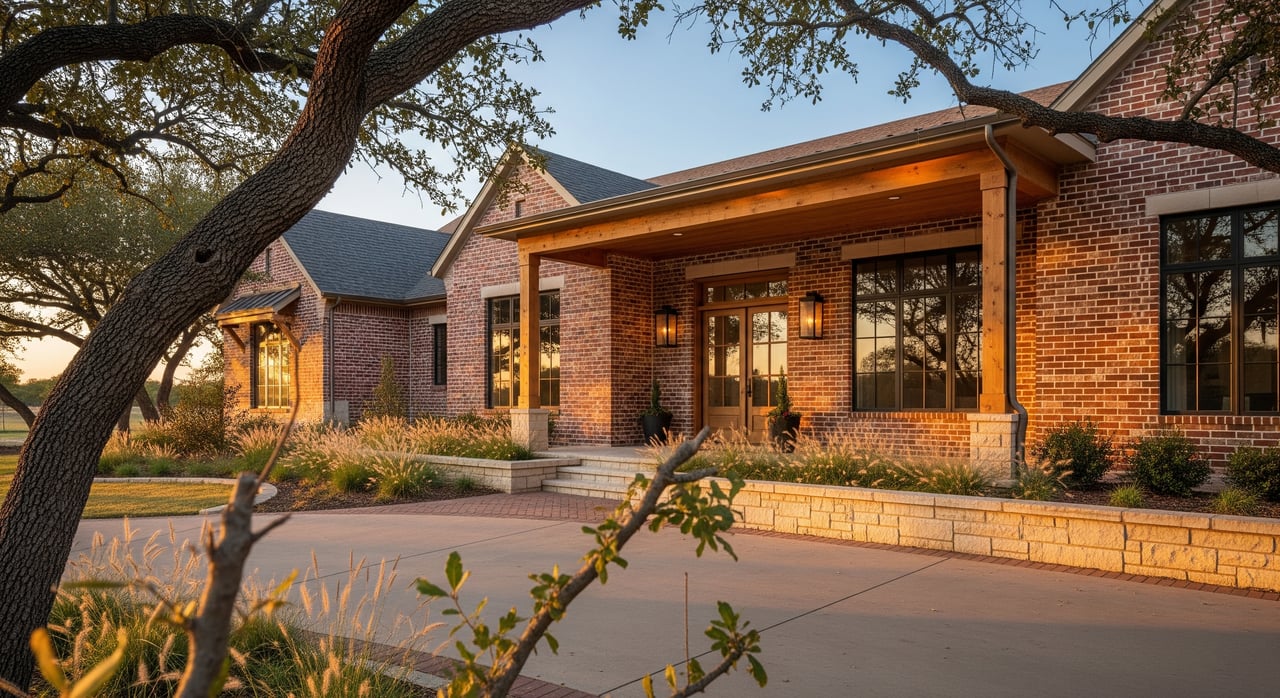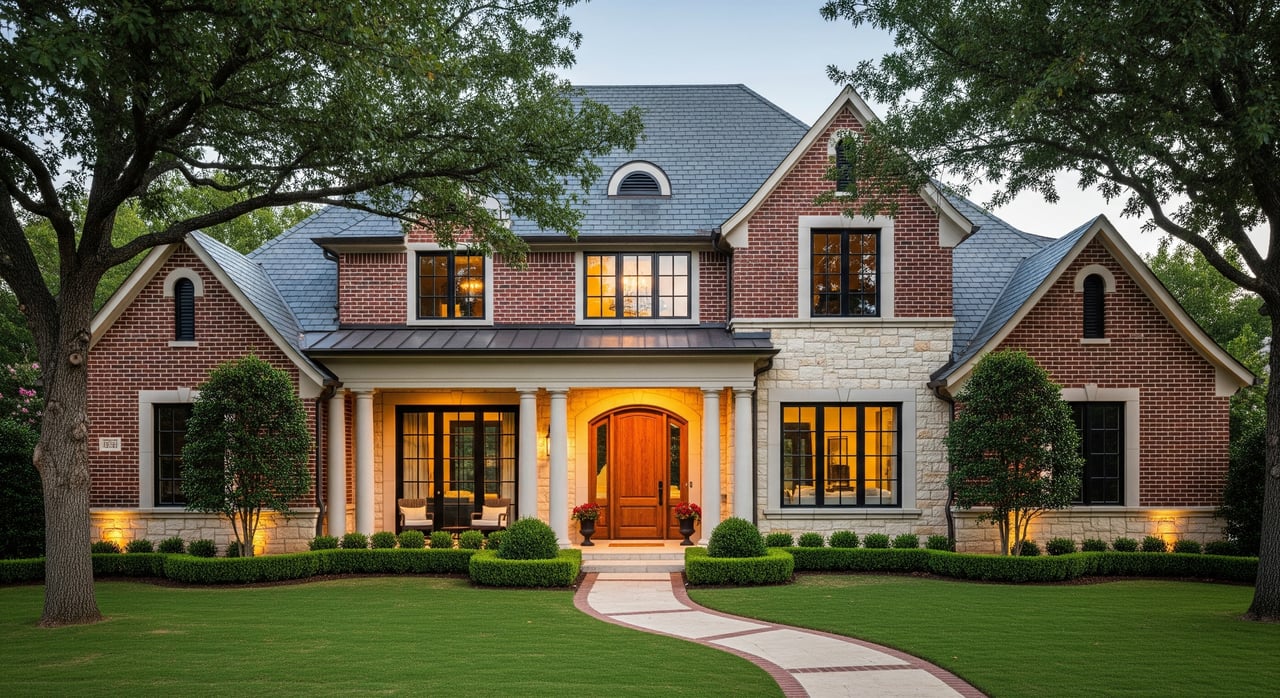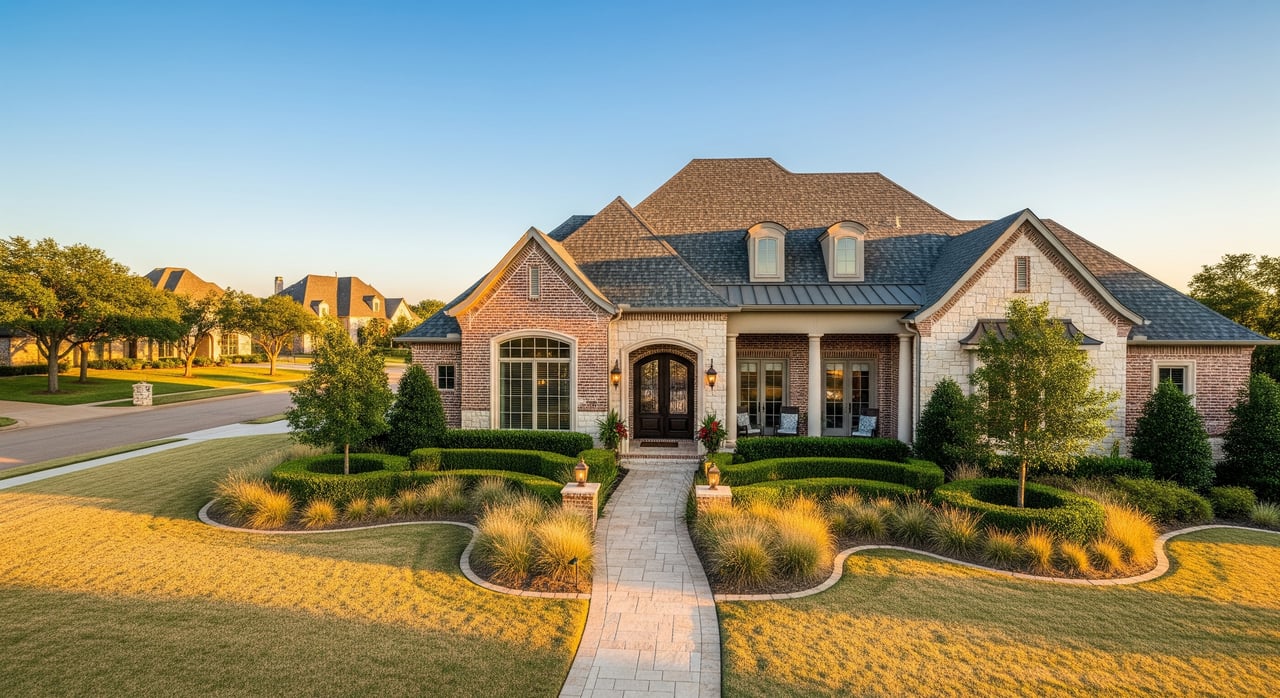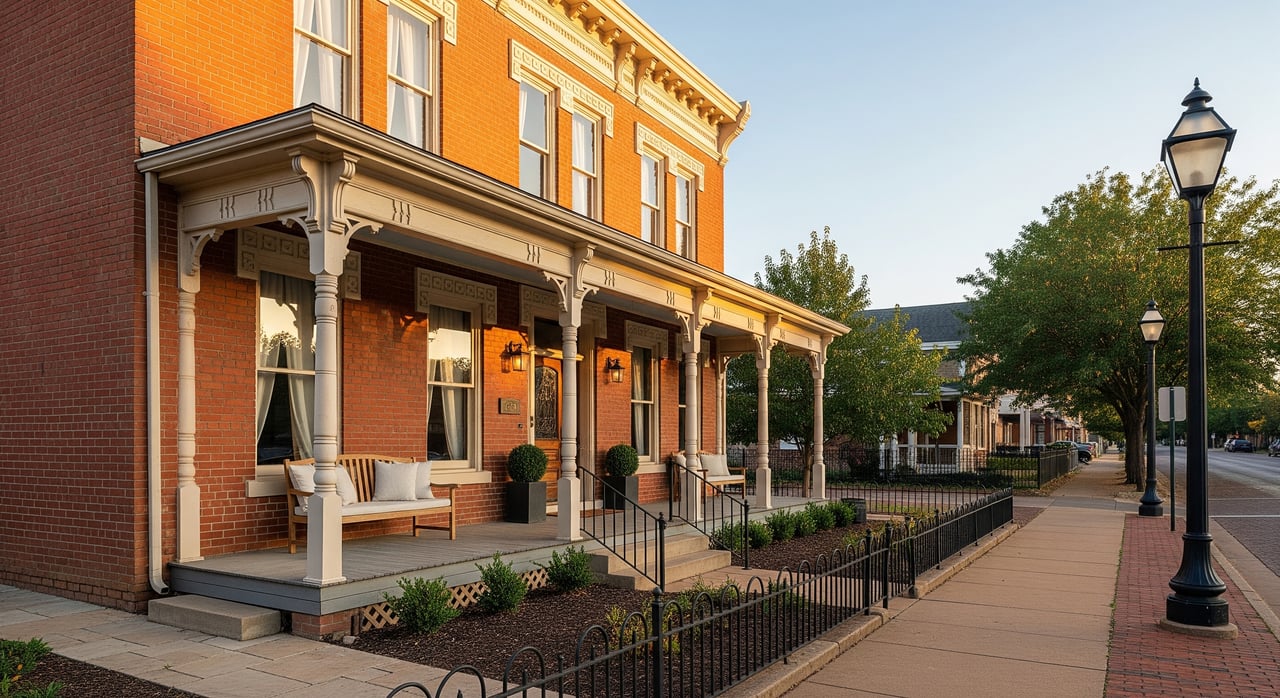
If you work in Oklahoma City, choosing the right Edmond neighborhood can make a big difference in how your week feels. A home that looks perfect on paper may feel less convenient if your daily drive adds stress, extra time, or too many stop-and-go corridors. The good news is that Edmond gives you several distinct neighborhood styles, and once you match them to your commute pattern, the search gets much clearer. Let’s dive in.
Start With Your OKC Commute
A typical drive from Edmond to Oklahoma City is about 23 minutes under normal traffic conditions. In real life, though, your experience depends more on your exact route and your work destination than on Edmond as a whole.
For most buyers, three corridors shape the decision: I-35, US-77/Broadway, and I-344/John Kilpatrick Turnpike. If you know which one you will use most often, you can narrow your neighborhood search faster and more confidently.
Why I-35 Matters
I-35 is the main north-south route for many Edmond commuters. It is also described by ODOT as the busiest interstate in the central region of the United States, so traffic and construction can affect drive times more than buyers expect.
If your work takes you into parts of Oklahoma City that connect naturally through I-35, this corridor may still make sense. You will just want to be realistic about congestion during peak hours.
Why Broadway Matters
US-77, also called Broadway in Edmond, is another major spine between Edmond and Oklahoma City. The City of Edmond and ODOT both point to heavy traffic on this corridor, including about 56,700 vehicles per day where it enters Edmond and nearly 30,000 vehicles per day near the US-77, SH-66, and Second Street area.
That does not mean you should avoid it. It means access to Broadway can be a major advantage if your commute lines up with it, especially for buyers who want to stay closer to downtown Edmond and its older neighborhoods.
Why John Kilpatrick Matters
I-344, better known as the John Kilpatrick Turnpike, is especially important if your job, errands, or regular appointments are on the west side of the metro. The Oklahoma Turnpike Authority is widening the route in 2026, which shows how central this corridor is for west-side travel.
If you work in west or northwest Oklahoma City, the west and southwest sides of Edmond may deserve extra attention. In many cases, that access can shape your day more than the age or style of the house.
A Transit Option to Downtown OKC
If you commute to downtown Oklahoma City, driving is not your only option. Edmond residents can use CityLink, and the city identifies the 100X route as the commuter line from Edmond to downtown Oklahoma City.
That can be a useful option if you want more flexibility in how you handle the workweek. For some buyers, that opens the door to choosing a neighborhood based on home style and daily convenience, not just freeway access.
Match the Neighborhood to Your Route
When you look at Edmond through a commuter lens, the smartest question is not “What is the best neighborhood?” It is “Which part of Edmond fits the way I need to move through the metro?”
That framing helps you focus on neighborhoods that support your real routine, not just your weekend wish list.
Choose Inner Edmond for Downtown Access
If you commute toward downtown Oklahoma City, inner Edmond and areas closer to Broadway often make the most sense. These neighborhoods put you nearer to one of the city’s main north-south corridors while also keeping you close to central Edmond amenities.
They can be a strong fit if you want a shorter path to both work and everyday errands. You may also like the more established street patterns and older-home character found in close-in areas.
Choose West or Southwest Edmond for West-Side Jobs
If your job is on the west side of Oklahoma City, the west and southwest edges of Edmond may be worth comparing first. Access to the John Kilpatrick Turnpike can make these areas more practical for daily travel across the metro.
This does not automatically mean they are the best fit for everyone. It simply means that route efficiency may outweigh other features if you spend a lot of time heading west.
Choose East Edmond for Space
East Edmond appeals to buyers who want more open space and a less built-up feel. The East Edmond 2050 Plan emphasizes balancing development with protected open space, agricultural land, transportation connections, and preservation of rural character.
That setting can be very appealing if space and privacy are high on your list. The tradeoff is that your routine will likely be more car-dependent, and your commute may feel less convenient than in closer-in areas.
Neighborhood Styles in Edmond
Edmond is not just one kind of suburb. The city’s planning categories create a helpful way to think about your choices based on housing style, street pattern, and day-to-day convenience.
Urban Neighborhoods Near Downtown
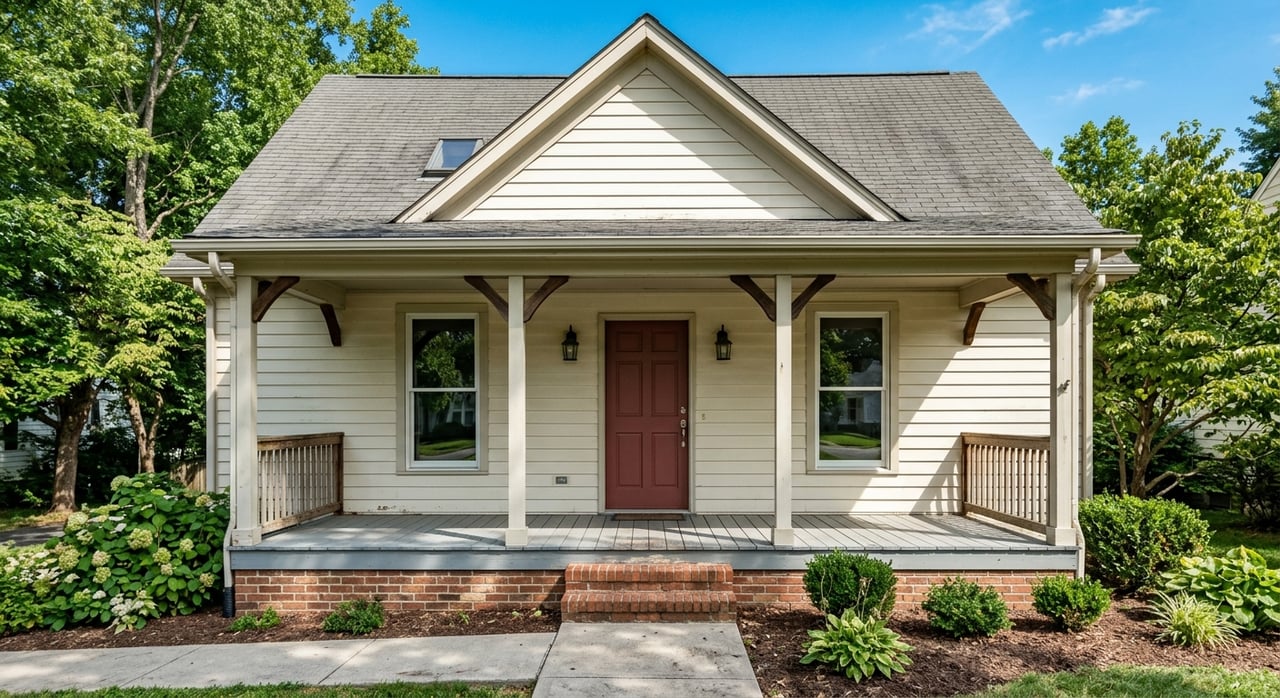
If you want walkability, older homes, and quick access to downtown Edmond, start with the urban neighborhoods near the city core. The city describes these as the oldest developed parts of Edmond, often within a several-minute walk of downtown, with a denser street grid and easier access to the bus system.
These areas tend to offer the strongest mix of character and convenience. They may be especially appealing if you like being near local businesses, public parking, events, and a more connected street layout.
Rossmore District
Rossmore sits just north of downtown and borders UCO. It includes tree-lined streets and many of Edmond’s earliest homes, including the oldest home noted in the city report.
If you like established surroundings and a close-in location, Rossmore is one of the clearest places to start. It offers neighborhood character that is hard to recreate in newer developments.
Highland Park
Highland Park dates to 1896 and sits close to downtown and UCO. The city specifically notes its access to shopping and dining on 2nd Street.
For buyers who want central convenience and an older neighborhood setting, Highland Park deserves a look. It can work well if your priorities include both commute practicality and access to everyday destinations.
Chitwood Park
Chitwood Park lies west of downtown and is one of Edmond’s earliest neighborhoods. The city notes current infill activity that follows the original layout, including narrow lots and alley access.
That gives the area a more historic pattern than many newer subdivisions. If you appreciate older neighborhood structure, this is one to compare closely.
Sunset
Sunset is southwest of downtown and includes a mix of Edmond’s older and newer homes, along with recent infill development. That blend can appeal to buyers who want a central location without limiting themselves to one housing era.
It is also a useful area to consider if you want to stay near the core while keeping more flexibility in home style.
Mid-Century Neighborhoods in Central Edmond
The city’s mid-century neighborhood category generally includes development from the 1960s through the 1980s, often within about 3 miles of downtown. These areas are still mostly single-family homes, though some also include townhomes or duplexes.
For many commuters, this is the middle ground. You are often closer in than the outer edges, but you still get a classic suburban feel that may suit buyers who want established homes and practical access to the arterial network.
Newer Suburban Neighborhoods
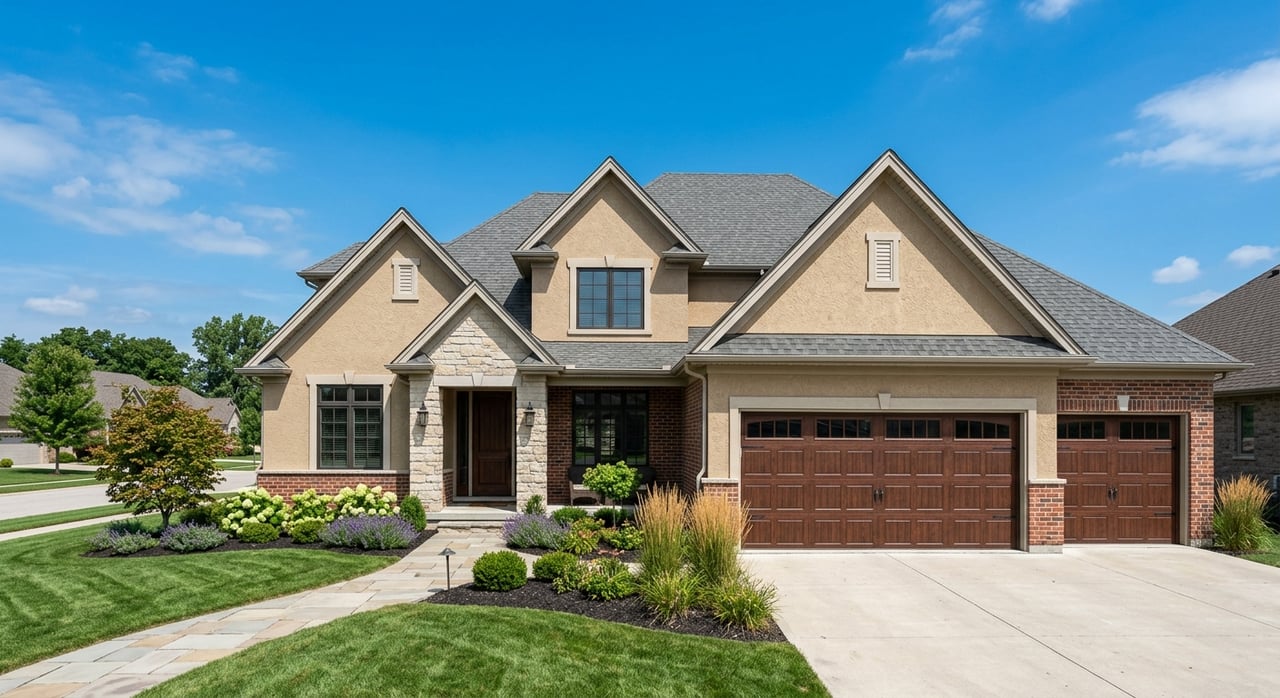
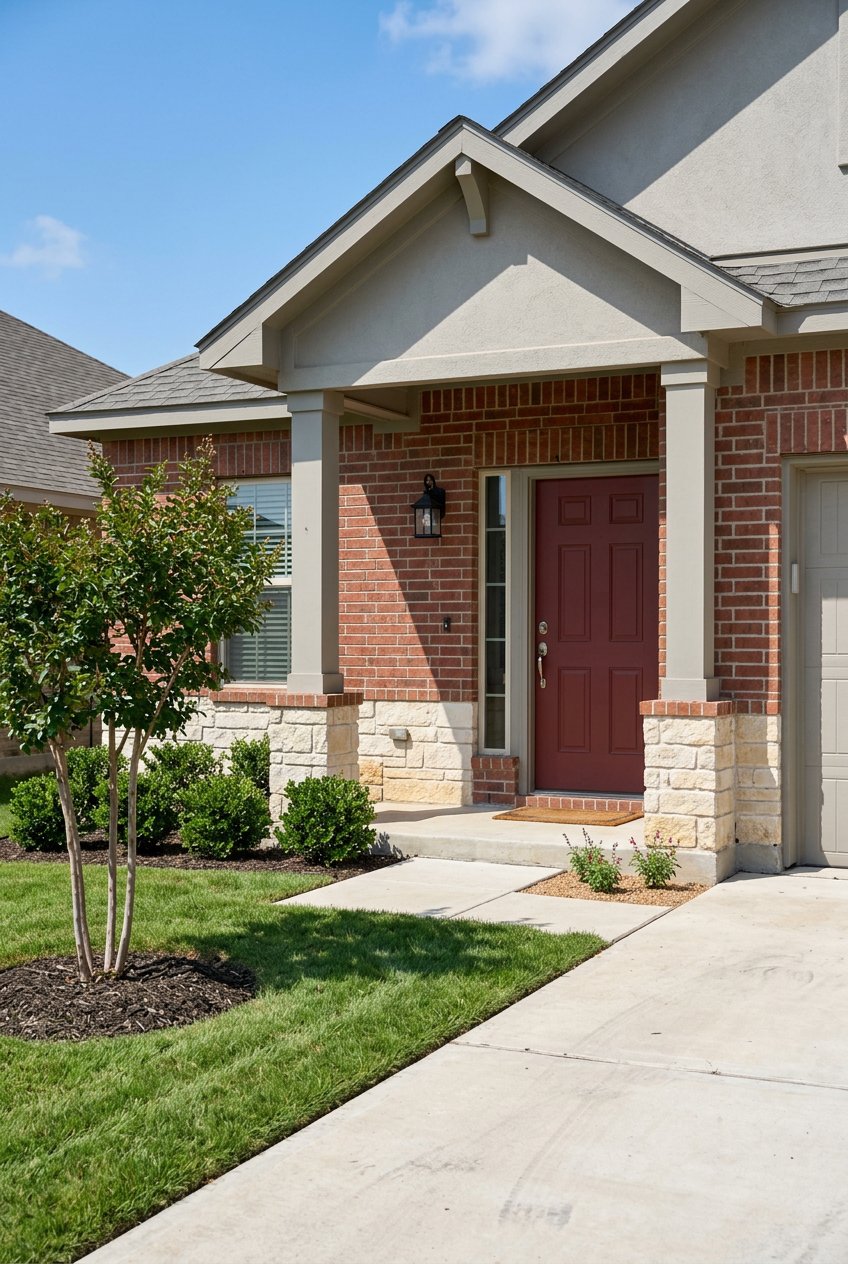
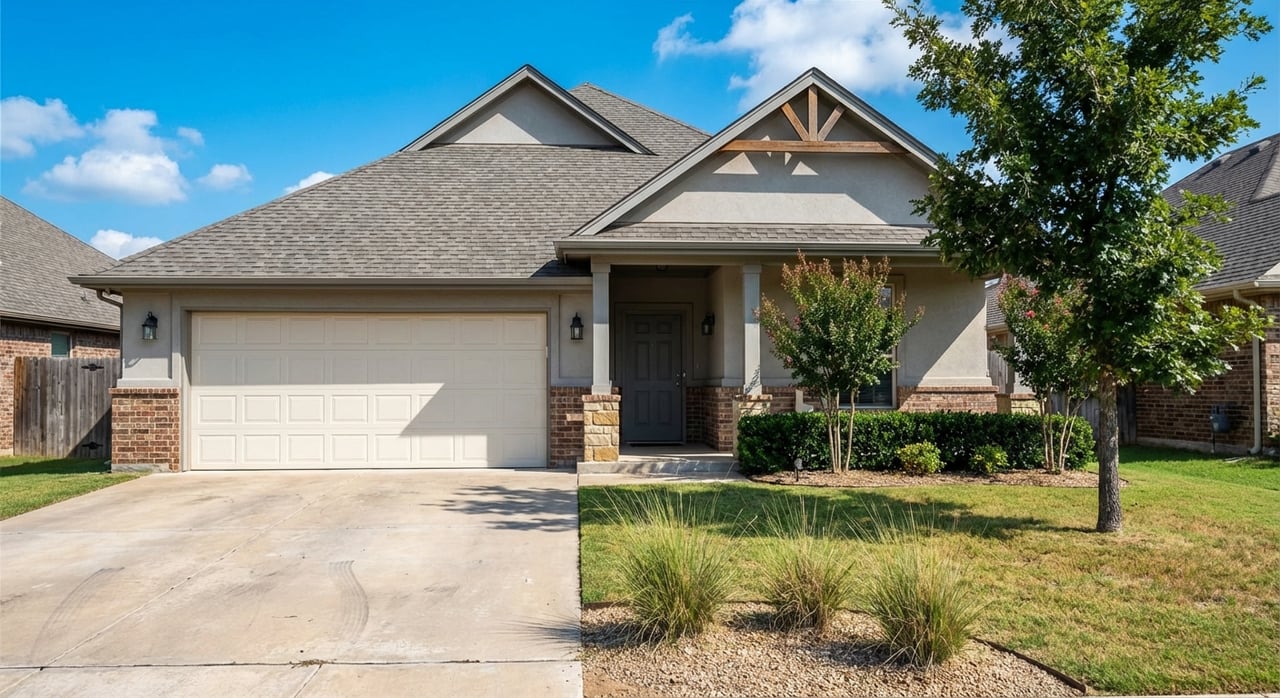
Edmond’s suburban neighborhood category covers areas built from the mid-1990s to the present. These neighborhoods typically feature one- to two-story single-family homes, cul-de-sacs, and a more vehicle-oriented layout.
If you want newer construction, more subdivision privacy, and a familiar detached-home pattern, this category may feel like the best fit. Just keep in mind that most daily trips in these areas depend on private vehicles and nearby arterials rather than easy transit access.
Rural-Edge Neighborhoods
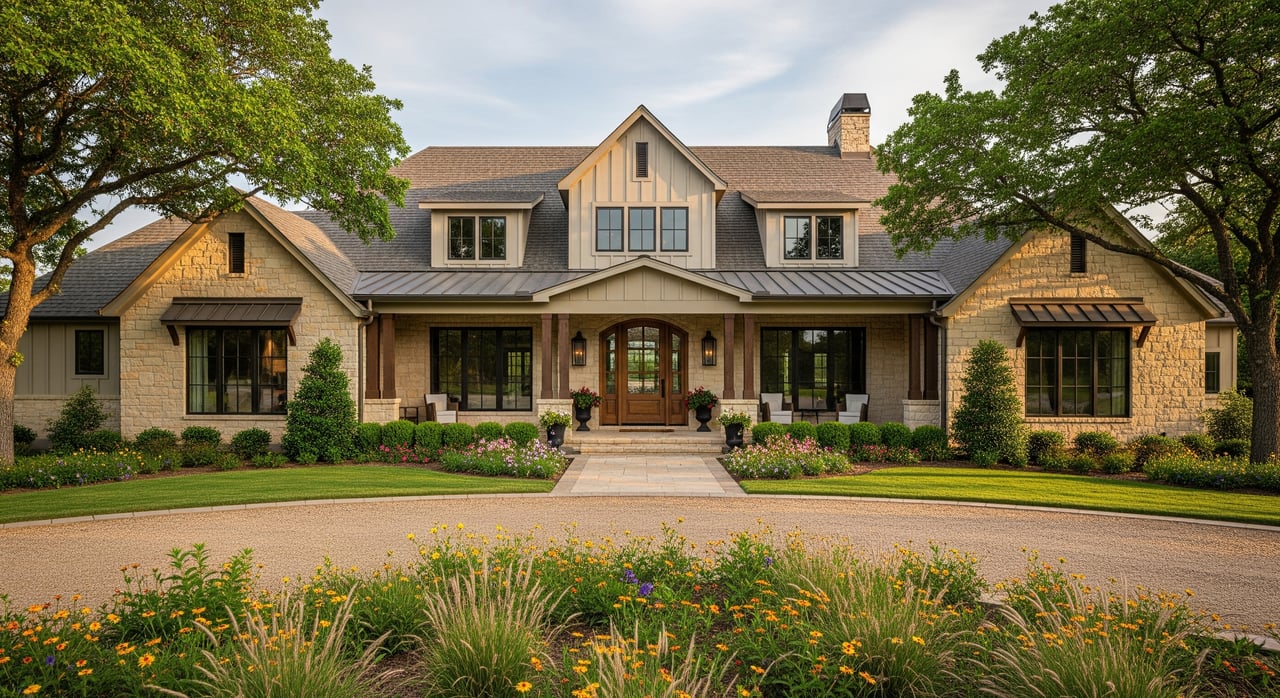
At the far end of the spectrum are Edmond’s rural neighborhood areas. The city describes them as very low density with one- and two-story homes in a setting designed to protect rural character.
If you want open views, more land, and a quieter setting, these areas may stand out. The tradeoff is simple: you will usually give up some convenience for space.
Think Beyond the Morning Drive
Your commute matters, but so does what happens before and after work. Where you grab dinner, run errands, or spend time on a Saturday can shape how happy you feel in a neighborhood.
In Edmond, a few activity nodes matter more than most.
Downtown Edmond
Downtown Edmond is the city’s most walkable and event-oriented area. The city highlights local businesses, public parking, streateries, and regular events, along with ongoing reinvestment through planning and redevelopment tools.
If you want your neighborhood to feel connected to a lively local core, this area sets the tone. It is often the strongest match for buyers who value convenience and character over large-lot suburban space.
2nd Street Access
2nd Street is a major everyday corridor, especially near UCO and downtown-adjacent neighborhoods. The city specifically references shopping and dining access here in connection with Highland Park.
If you want errands to be simple and nearby, neighborhoods with easy access to 2nd Street can make daily life smoother. That can matter almost as much as the route to your office.
Danforth and Kelly
Danforth and Kelly is one of Edmond’s busiest intersections, with roughly 50,000 vehicles per day. It functions as a major retail and driving node rather than a quiet residential setting.
For some buyers, being near a busy retail area adds convenience. For others, it can feel too active for what they want at home. This is a good example of why your neighborhood search should balance both access and atmosphere.
A Simple Way to Narrow Your Search
If you are trying to sort through Edmond homes for sale, this quick framework can help:
- Want walkability and older homes? Start with downtown-adjacent neighborhoods and the urban core.
- Want balance between commute and classic suburbia? Compare central Edmond’s mid-century neighborhoods.
- Want newer homes and a quieter subdivision feel? Focus on suburban-edge neighborhoods.
- Want more land and open-space feel? Explore east Edmond and rural-edge areas, knowing the routine will be more car-dependent.
This approach keeps the decision practical. It helps you compare homes based on how you actually live, not just how a listing looks online.
Choosing the Right Fit for Your Week
The best Edmond neighborhood for an OKC commuter is the one that fits your destination, your tolerance for driving, and the kind of home environment you want when you get back each evening. Some buyers are happiest near downtown Edmond and Broadway. Others would rather trade a little convenience for a newer home, a quieter subdivision pattern, or more open space.
If you want help sorting through those tradeoffs, local guidance can save you time and help you focus on the areas that truly match your routine. When you are ready to compare Edmond neighborhoods with your commute in mind, connect with Kruckeberg Realty, LLC.
FAQs
Which Edmond areas are best for commuting to downtown Oklahoma City?
- Inner Edmond and areas with good access to US-77/Broadway are often the most natural fit for downtown Oklahoma City commuters.
Which Edmond neighborhoods make sense for west Oklahoma City jobs?
- West and southwest Edmond are often logical areas to compare if you want easier access to the I-344 John Kilpatrick Turnpike.
Are there transit options from Edmond to downtown OKC?
- Yes. The City of Edmond identifies CityLink Route 100X as a commuter route from Edmond to downtown Oklahoma City.
What kind of homes are near downtown Edmond?
- Downtown-adjacent urban neighborhoods often include older homes, denser street grids, and quicker access to downtown Edmond amenities.
Is east Edmond a good fit if I want more space?
- East Edmond can be a strong option if you want open space and a more rural feel, but it is generally more car-dependent for daily routines.