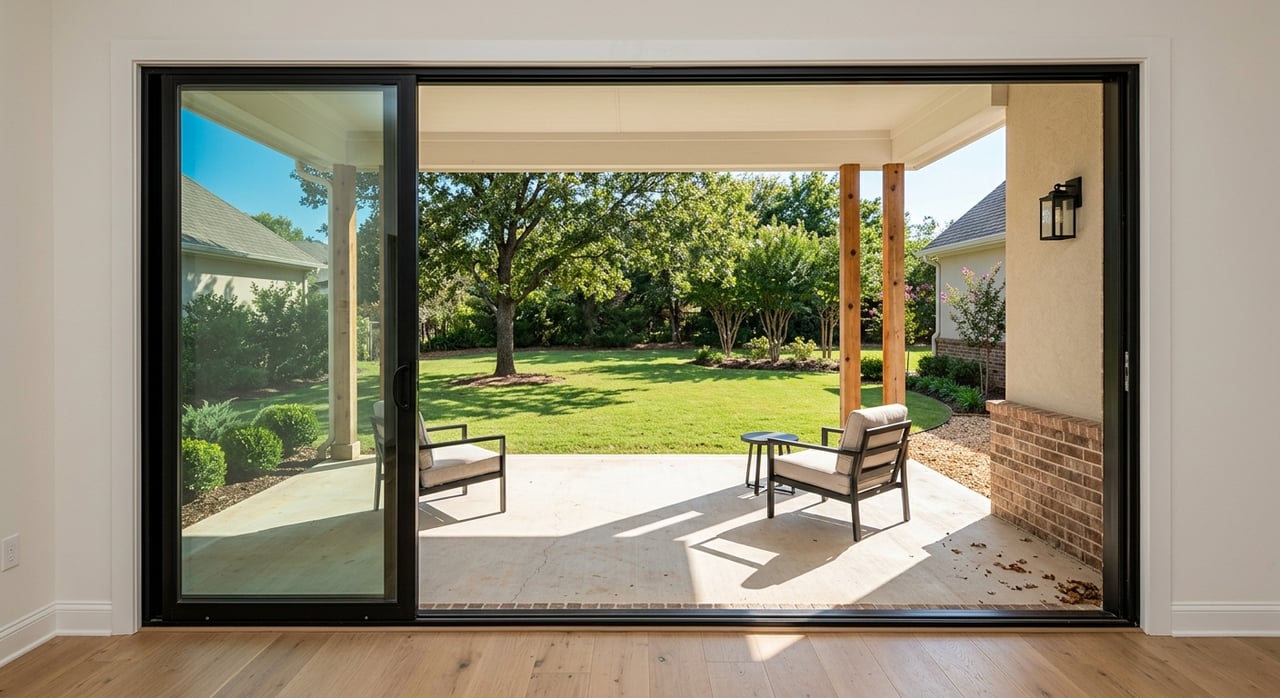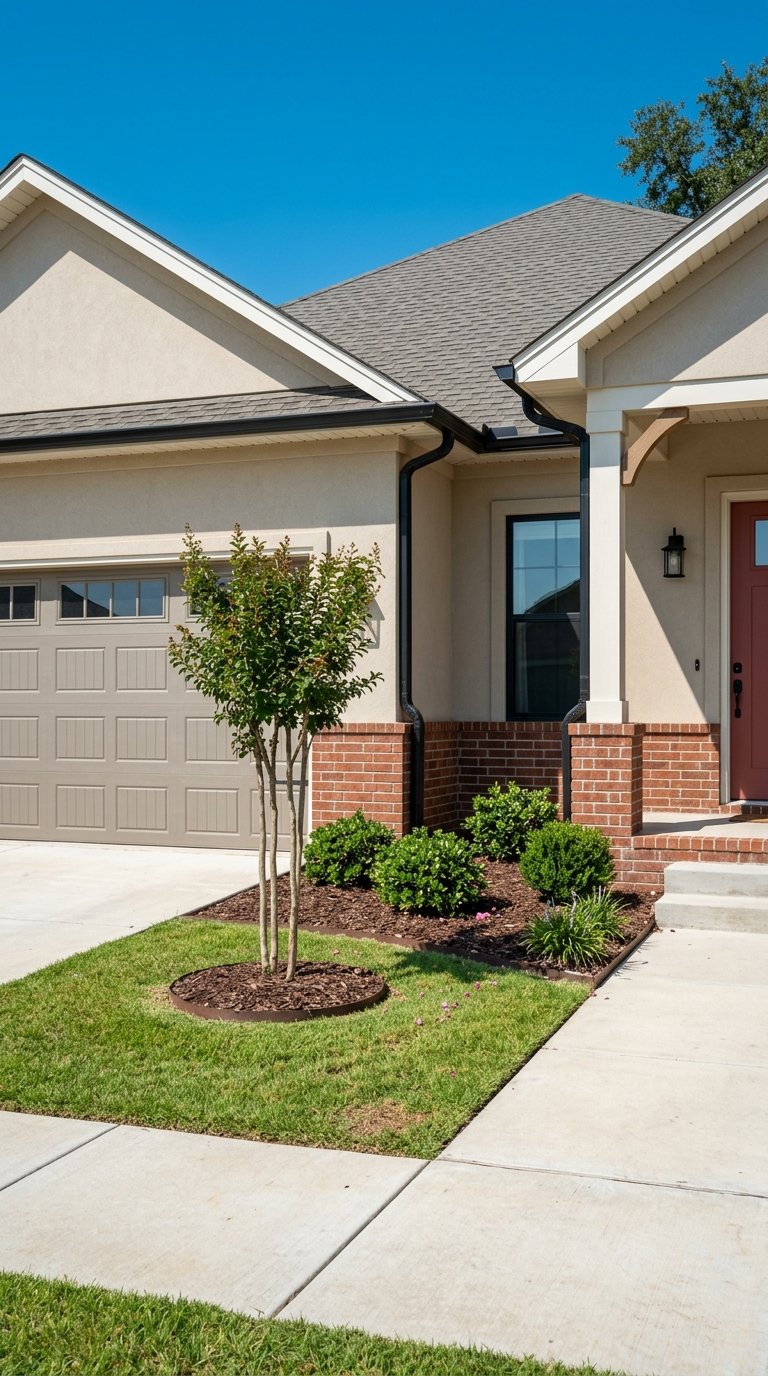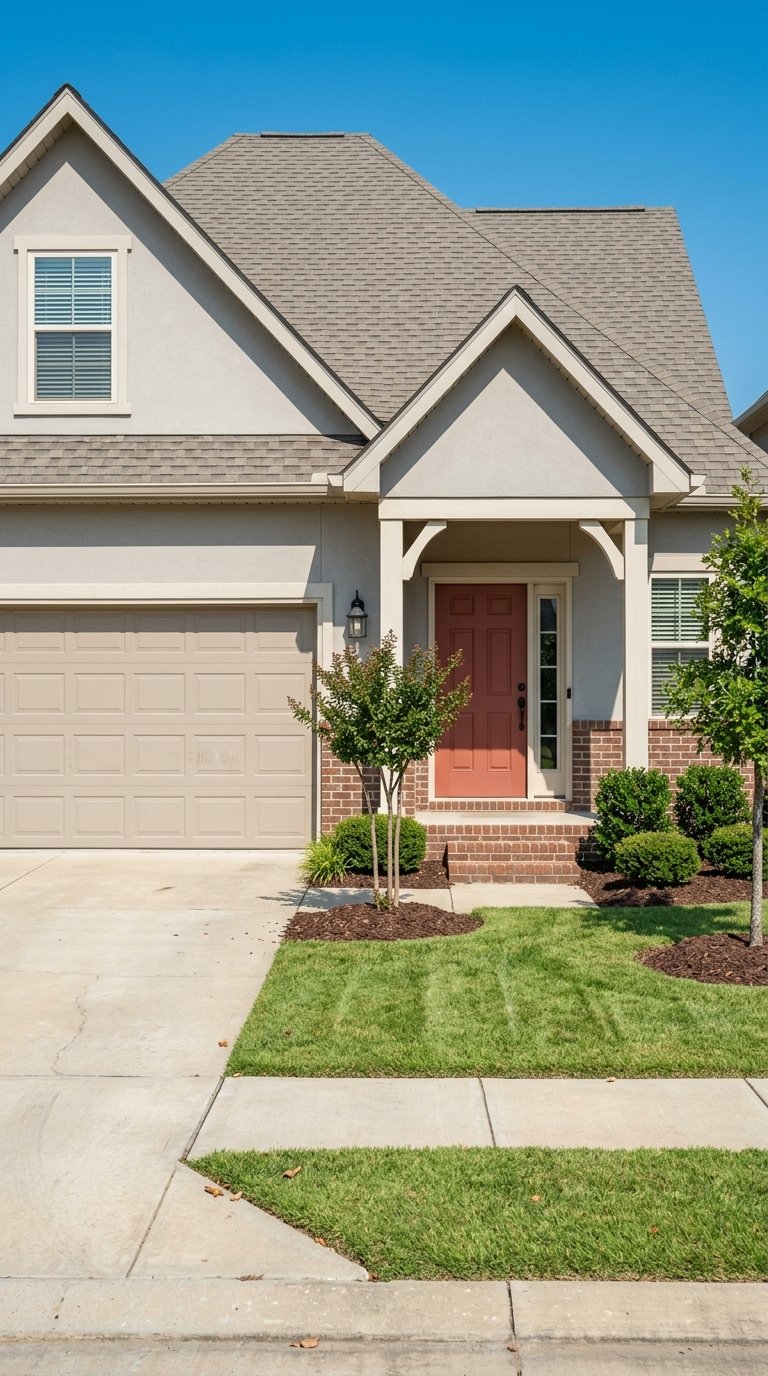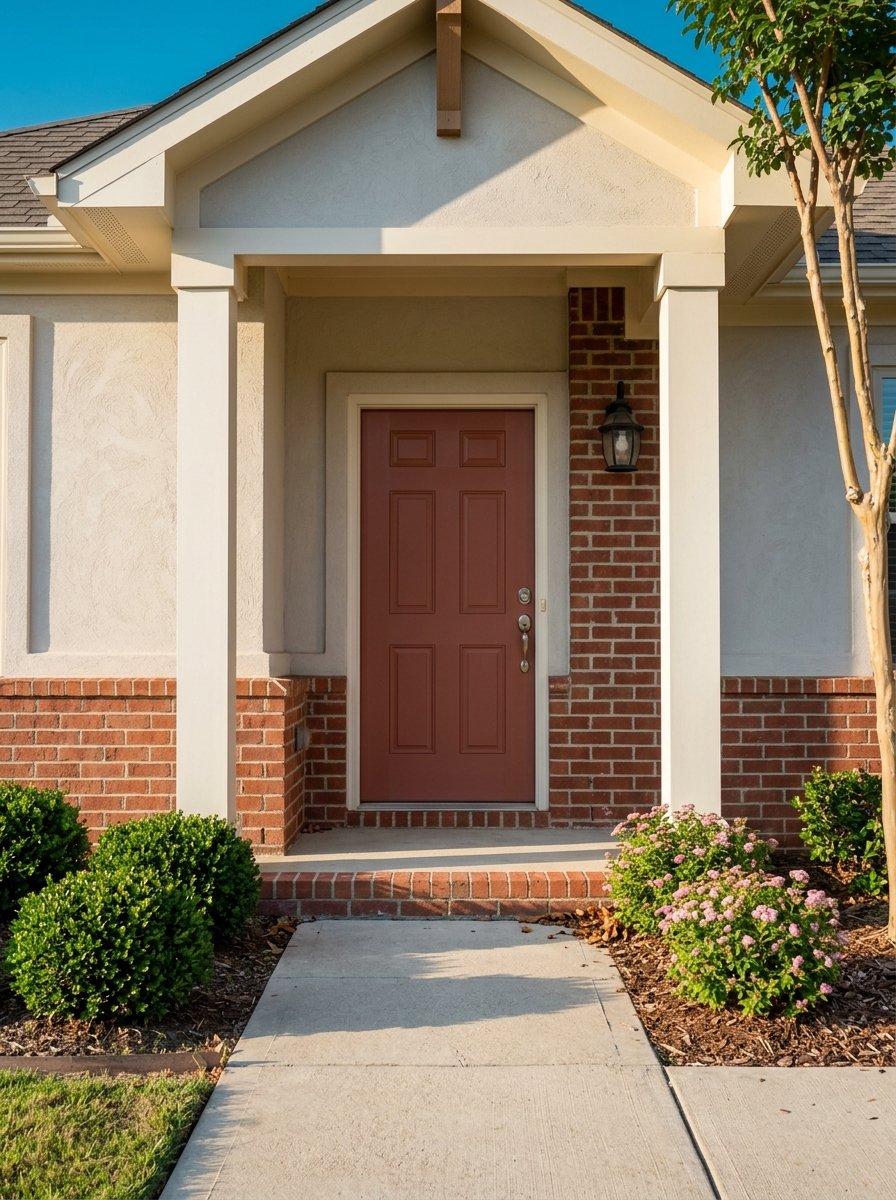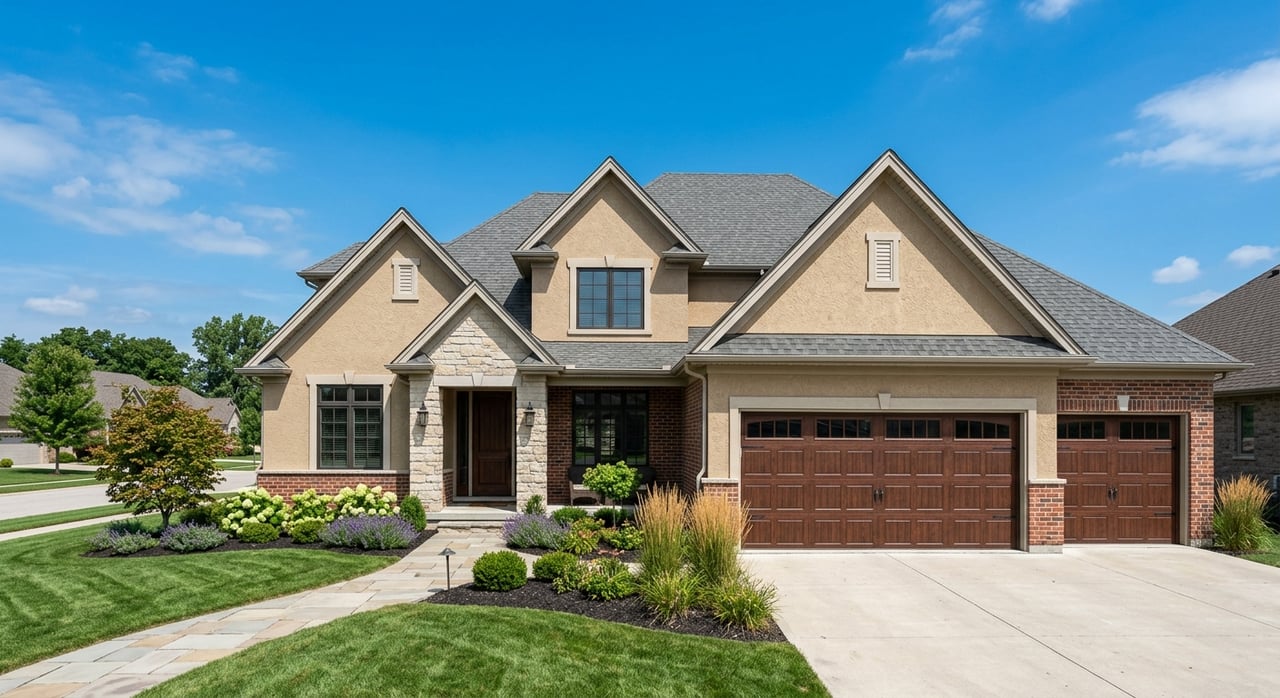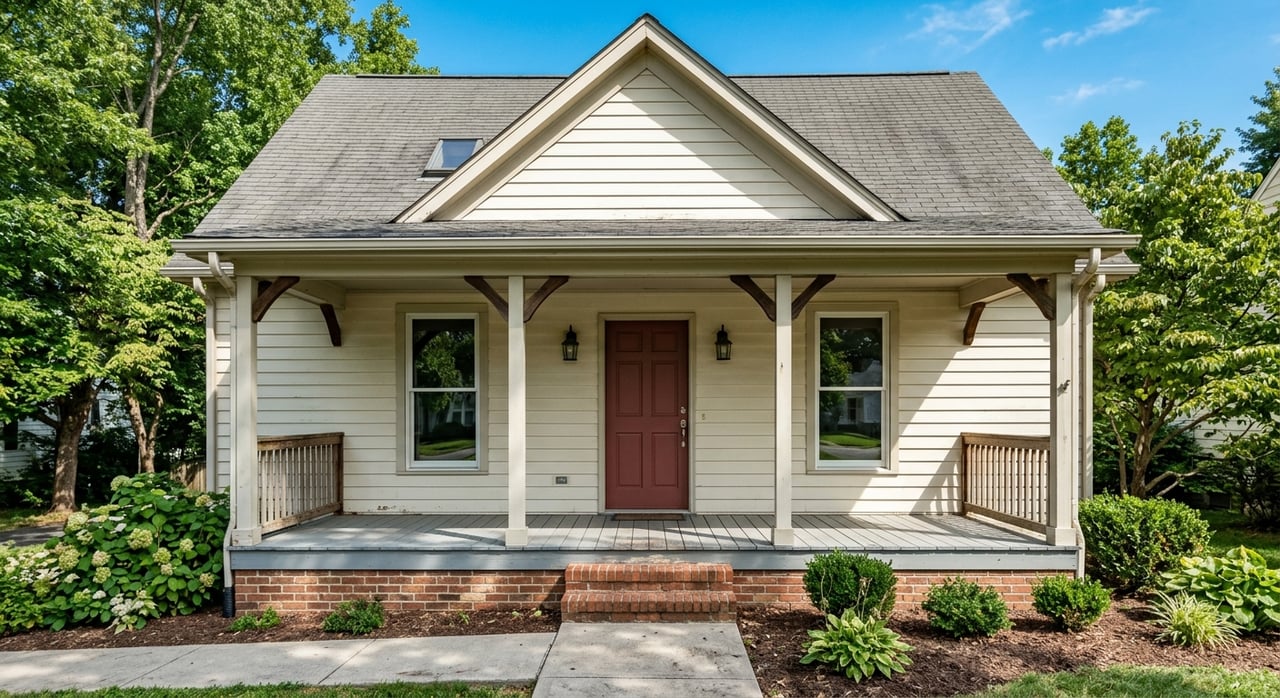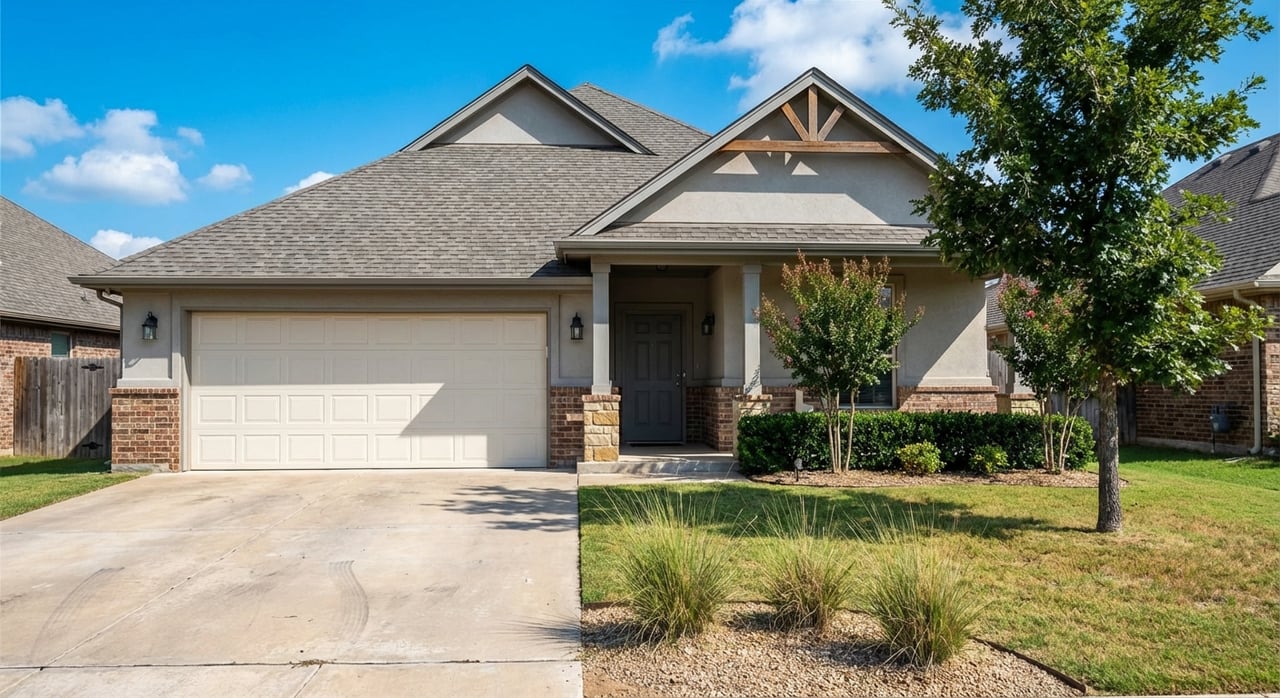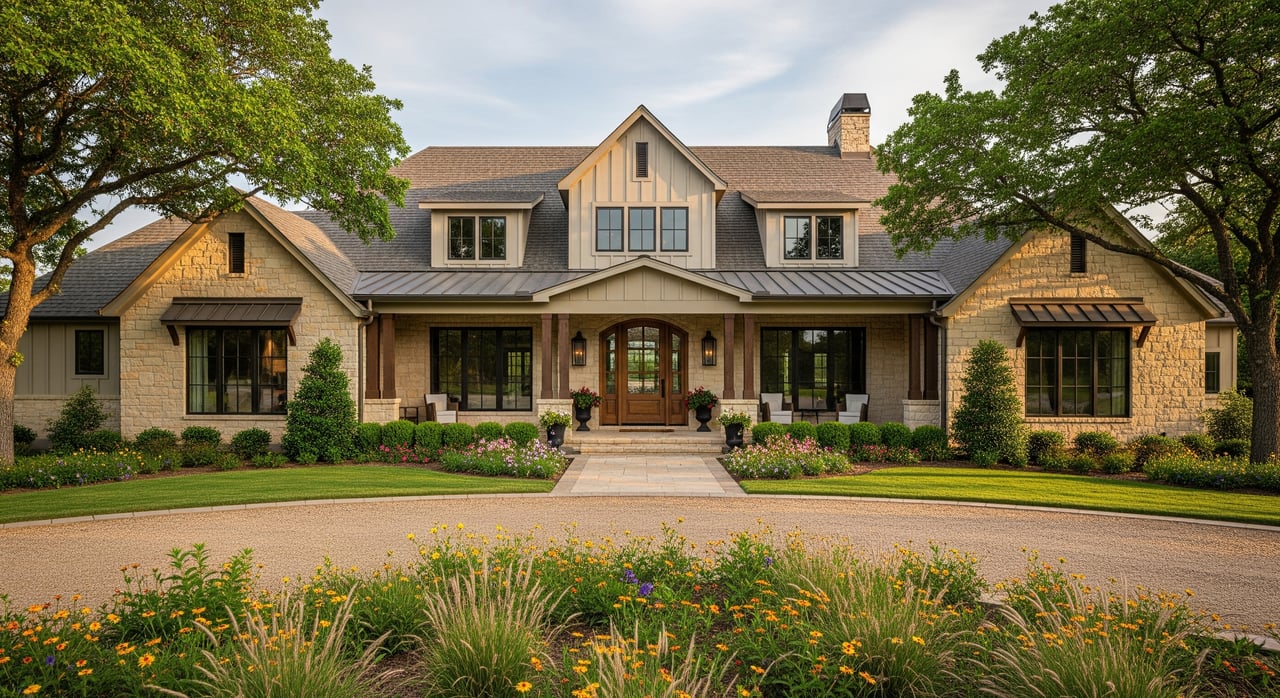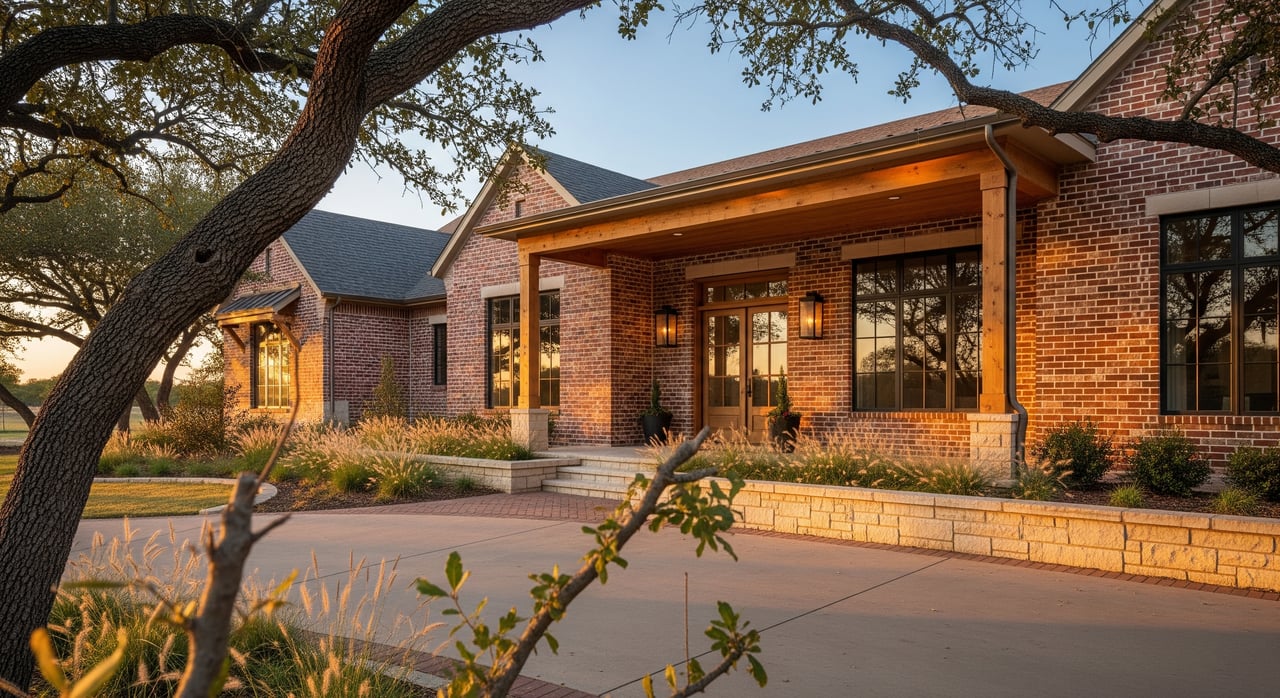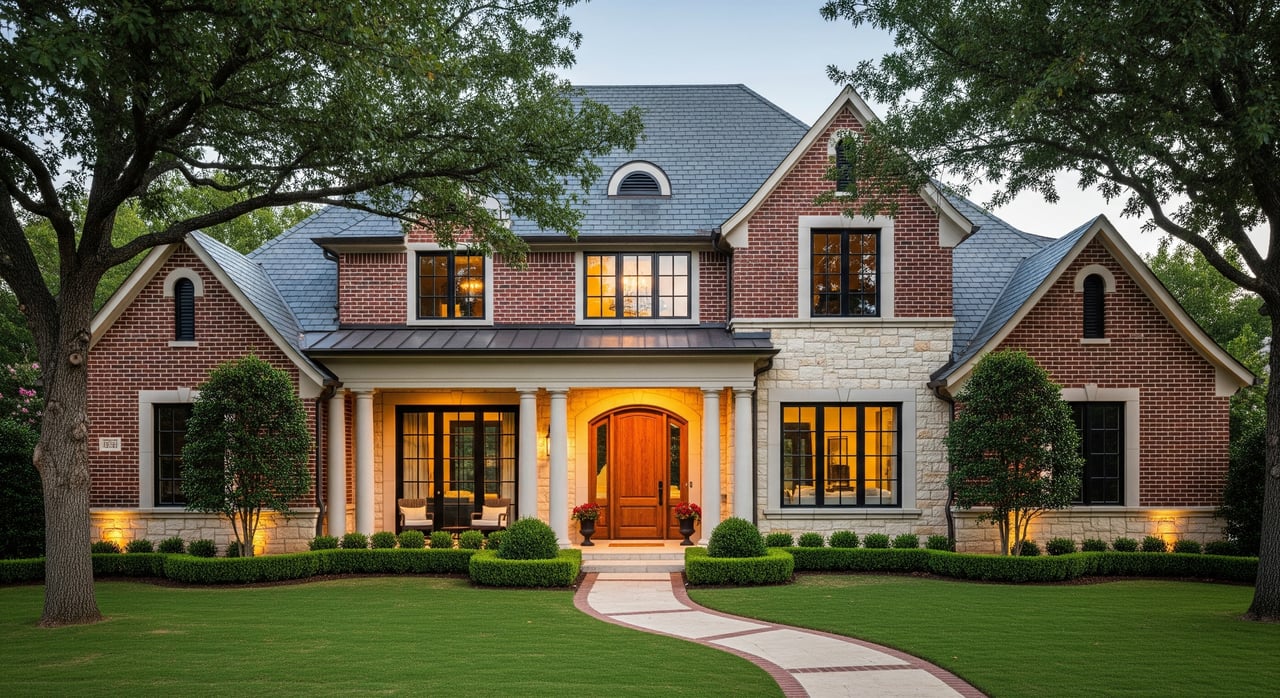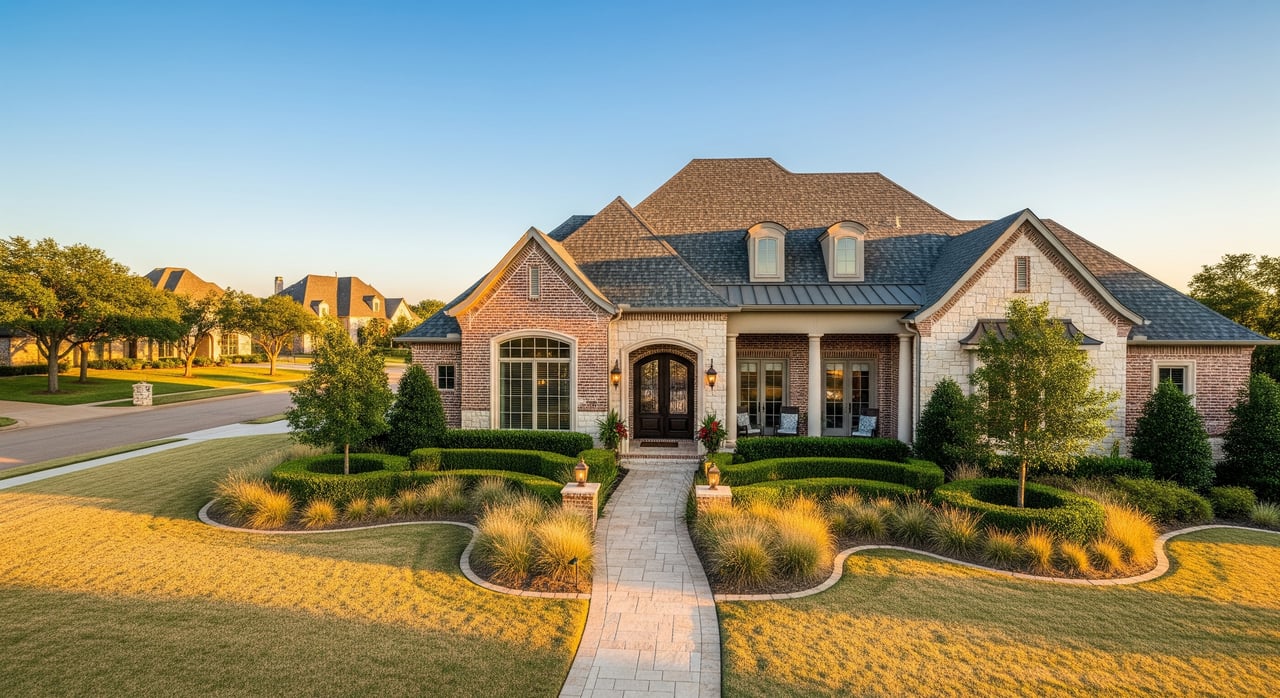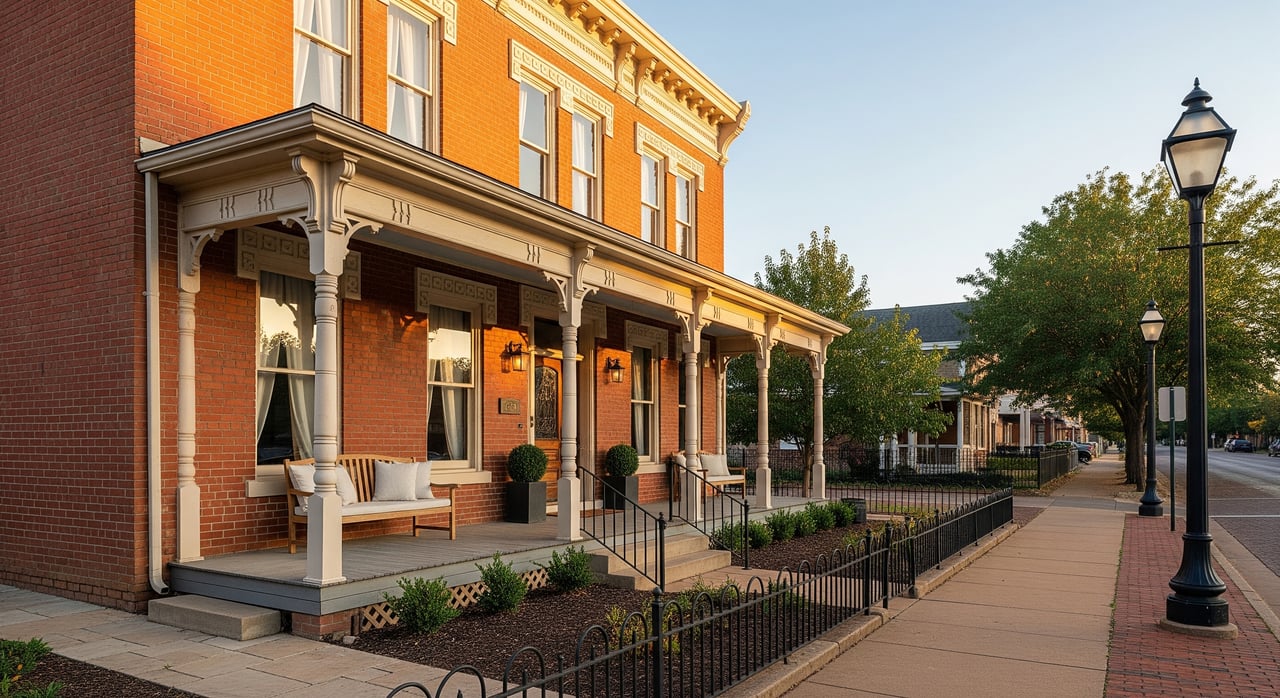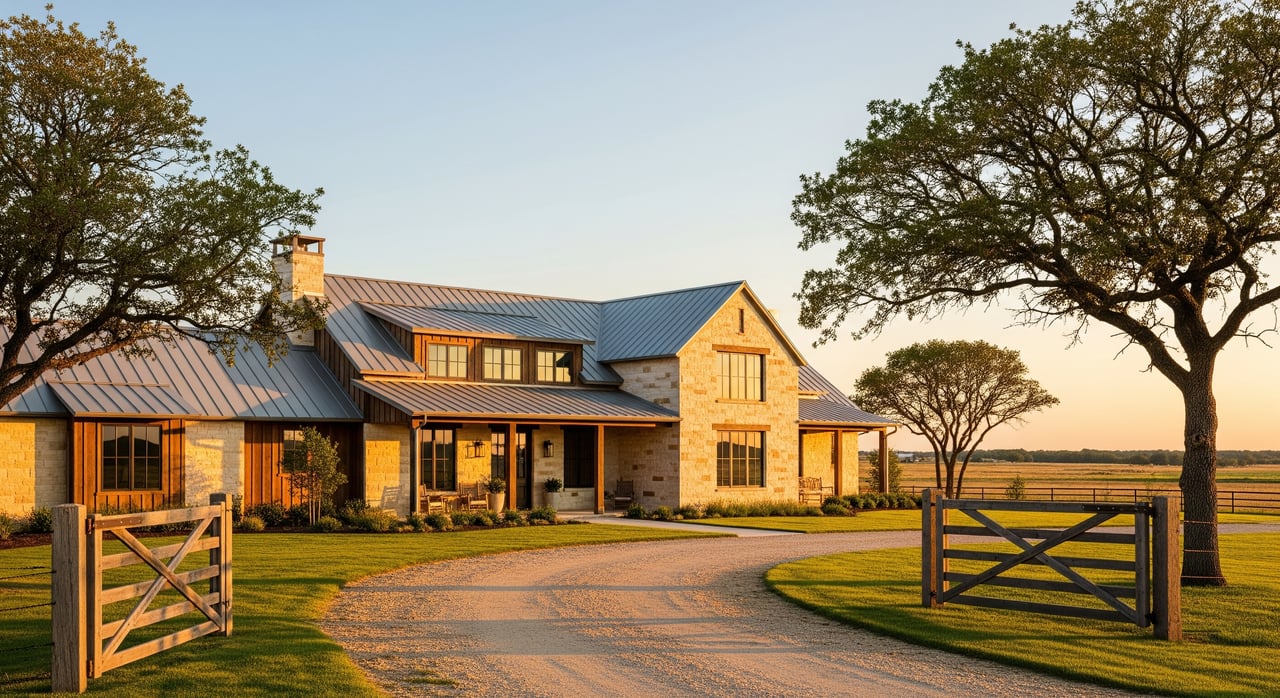
Torn between the sparkle of a brand‑new home and the character of a resale in Norman? You are not alone. Each path offers real benefits, different timelines, and different costs. In this guide, you will learn how new construction compares with resale on inspections, warranties, incentives, financing, and ongoing expenses in Norman so you can move forward with confidence. Let’s dive in.
Norman market snapshot
Norman’s housing market remains steady and active. The 2025 median sales price was $280,000, up about 3.5% from 2024, according to the MLSOK 2025 Annual Report, current as of Jan 7, 2026. You can review those figures in the MLSOK local market report.
Builders in many areas are using incentives, and local days on market have eased from the pandemic peak. That means you may find both new‑build options and well‑priced resale opportunities across Norman.
New construction: what to expect
Timelines and move‑in readiness
If you want speed, a quick‑move‑in spec home can often close in 30 to 60 days. If you build on a standard plan, most production builders finish in roughly 4 to 9 months, depending on permits, weather, and crews. Full custom builds usually take 9 to 18 months or more. Always ask for a written timeline with milestone dates.
Customization and upgrades
You will choose from preset floor plans and a design center menu of finishes. Structural changes and late change orders add cost and time. Get a written allowance sheet that spells out what is included, what is an upgrade, and the lead times for special materials.
Inspections and walkthroughs
New homes go through City plan review and required stage inspections for foundation, framing, systems, insulation, and final approval. You can see how the City handles permits and inspections through the City of Norman portal. Even with those checks, it is smart to hire an independent inspector for phase inspections, such as pre‑pour, pre‑drywall, and final. InterNACHI explains why phase inspections protect you and how to arrange access in your contract. Learn more from InterNACHI’s phase inspection guidance.
Before closing, join your builder for a final walkthrough and create a written punch list. Plan for an 11‑month inspection near the end of the initial warranty so you can flag any issues in time.
Warranties
Most builders offer a version of the 1‑2‑10 warranty: 1 year for workmanship and materials, 2 years for distribution systems such as plumbing and electrical, and 10 years for major structural items. Ask if the warranty is backed by a third‑party insurer and whether it is transferable. For a plain‑English overview, see the 2‑10 Home Buyers Warranty FAQs.
Resale homes: what to expect
Timing and condition
Resale purchases often close in about 30 to 45 days, which can be faster than building. You may gain established landscaping, mature trees, and settled neighborhoods. Budget for possible updates such as roof, HVAC, or cosmetic refreshes.
Inspections and permit history
Order a full home inspection and any needed specialty checks, such as sewer scope, foundation, or roof evaluation. Review the property’s permit history for major work and confirm that electrical, plumbing, or roofing updates were inspected by the City. You can start with the City of Norman permits and inspections portal.
Costs: price, incentives, and monthly payment
How builders price and sweeten deals
In today’s market, many builders use incentives that can lower your monthly payment or cash to close. NAHB data in 2024 to 2025 showed a majority of builders offering incentives, including closing cost credits, rate buydowns, design‑center credits, and price reductions on quick‑move‑ins. See context in the NAHB builder‑confidence update.
Compare the net impact of each offer:
- Interest‑rate buydowns: temporary 3‑2‑1 or permanent buydown. Model your payment after a temporary buydown expires.
- Closing‑cost credits: confirm what lender and title fees they cover.
- Design‑center credits: nice upgrades, but they do not affect your monthly payment.
- Promotional pricing: check comparable sales to confirm value.
Many incentives require using the builder’s preferred lender or meeting a deadline. Get all terms in writing and run a full cost comparison before you sign.
Ongoing costs to budget
- Property taxes: Norman properties are in Cleveland County. Taxes are based on assessed value and local millage rates, with exemptions available. Review details on the Cleveland County tax information page.
- HOA dues: newer communities often include HOAs and shared amenities. Read the CC&Rs to understand rules and fees.
- Energy and utilities: Many new homes include efficient systems that can lower utility costs. Local utilities like OG&E offer rebates on upgrades such as insulation or smart thermostats. See a current example on the OG&E residential rebate form. The City of Norman has also piloted a permit‑fee adjustment for homes with strong HERS ratings, which can encourage builders to aim for better efficiency. Read the City’s HERS pilot program reference.
Financing paths for each
Buying a new build that is complete
If the home is finished, you will usually use a standard mortgage. Many builder incentives are delivered as seller concessions or lender credits. Confirm whether a credit lowers your rate, reduces closing costs, or simply funds upgrades.
Building from the ground up
If you are building, ask about construction‑to‑permanent loans. A one‑time‑close loan wraps construction and your permanent mortgage into one closing, which can save fees and avoid a refinance. Learn how these work in this construction‑to‑permanent overview. Expect more documentation and a draw inspection process. Shop lenders and compare timelines, rate‑lock options, and closing costs.
Location and lot due diligence in Norman
Growth areas and HOAs
Most new subdivisions appear along Norman’s outer corridors where land is available. Expect HOAs in many of these communities. Review covenants to understand exterior rules, parking limits, and any design guidelines before you commit.
Floodplain and drainage
Certain lots near creeks, the Canadian River, or Lake Thunderbird may be in special flood hazard areas or require permits. Ask for the grading and drainage plan for your lot and review the City’s guidance on the Norman flood hazard protection page.
Storm resilience
Oklahoma weather can be intense. For new homes, ask your builder about roof attachment details, garage‑door bracing, and optional safe‑room features. For resale, review the roof age, past storm repairs, and insurance claim history where available.
Schools and commute
If school assignment or proximity to the University of Oklahoma matters to you, confirm school boundaries for the exact address and map your commute times at your typical travel hours. Boundaries and bell schedules can change, so verify details with official sources before you buy.
Quick decision guide
Choose new construction if you want
- A modern layout with energy‑efficient systems and fewer near‑term repairs.
- The ability to pick finishes and, sometimes, select minor plan options.
- A warranty structure that covers materials, systems, and structural items.
- A longer timeline that fits a flexible move date, or a quick‑move‑in that aligns with a lender‑incentive window.
Choose a resale home if you want
- A faster close and more established neighborhoods and landscaping.
- Potentially lower price per square foot compared with a similar new build.
- A location closer to central Norman or near existing amenities.
- Character features you cannot easily replicate in a new subdivision.
Smart questions to ask before you decide
- New build: Can the builder provide a written timeline, what is included, and a firm change‑order policy with pricing and lead times?
- New build: Will the builder allow independent phase inspections and agree in writing to complete punch‑list items before closing? See phase‑inspection best practices.
- New build: What does the warranty cover, is it third‑party insured, and is it transferable? Review the 1‑2‑10 structure here.
- Any home: How do incentives affect your true cost after any temporary rate buydown ends? Check the NAHB incentive context and run side‑by‑side payment scenarios.
- Any home: What are the estimated property taxes and whether the lot sits in a flood zone? Start with Cleveland County tax info and the City’s flood hazard resources.
Next steps
Your best choice comes from clear numbers and a plan. Compare a few homes side by side, include closing costs and any buydown expirations in a 3 to 5‑year cashflow view, and confirm inspection access and warranty terms in writing. If you are building, interview lenders who offer one‑time‑close construction loans and ask how their draw process works.
When you are ready to talk options in Norman, reach out to Kruckeberg Realty, LLC for local guidance, side‑by‑side comparisons, and a smooth path to closing.
FAQs
Do I need a home inspection on a new construction in Norman?
- Yes. City inspections occur, but independent phase and final inspections help catch workmanship issues and protect your interests; see InterNACHI’s guidance.
Are builder incentives in Norman worth taking?
- They can be, but it depends on your net cost; model your payment after any temporary buydown ends and confirm terms, then compare offers using the NAHB context on incentives.
What is a 1‑2‑10 new home warranty?
- It commonly means 1 year for workmanship and materials, 2 years for distribution systems, and 10 years for structural coverage; ask for the document and see the 2‑10 overview.
How do property taxes work for Norman homes?
- Cleveland County sets taxes based on assessed value and local millages, with exemptions available; use the county’s resources to estimate a parcel’s bill at the tax information page.
How long does it take to build a home in Norman?
- Quick‑move‑in spec homes can close in 30 to 60 days, production builds often take 4 to 9 months, and custom homes commonly run 9 to 18 months or longer depending on design and weather; confirm timelines with the builder.