Selling your home in Edmond can feel simple on the surface, but the details matter. In a market where homes are often taking about 36 to 47 days to sell and sellers are typically getting close to asking price, the right plan can make a real difference. If you want to price smart, prepare well, and move through the contract process with fewer surprises, this guide will walk you through each step. Let’s dive in.
Understand the Edmond market first
Before you list, it helps to know what kind of market you are stepping into. Recent Edmond data shows a median sale price of about $380,803 over the last three months ending April 2026, while another market summary shows a median listing price of $415,000 and a median sold price of $350,000. Those numbers vary by source, but they tell the same story: buyers are active, yet sellers still need to be realistic.
Homes in Edmond are not all moving at the same pace or price point. Inventory and pricing can look very different depending on the neighborhood or ZIP code, and reported listing prices range widely from one area to another. That is why your best pricing guide is usually a close set of comparable homes near yours, not the citywide average.
Step 1: Set the right price
Pricing is one of the most important decisions you will make. Edmond may be described as a seller’s market, but current data also shows homes selling at around asking price on average, not far above it. That makes a pricing-led strategy more effective than starting high and hoping buyers stretch.
If your home is priced too aggressively, you may lose early attention when your listing is freshest. Buyers compare new listings quickly, and they often have access to the same recent sales and active competition you do. A strong pricing strategy should reflect your home’s condition, updates, size, lot, and immediate competition.
Step 2: Gather your paperwork early
In Oklahoma, sellers of most one- or two-unit residential homes generally need to complete a Residential Property Condition Disclosure Statement before accepting an offer. If you have never lived in the home and do not have actual knowledge of defects, a Disclaimer Statement may be used instead. The disclosure is based on your current actual knowledge and is not a warranty.
This form covers more than many sellers expect. It can include questions about the roof, foundation, appliances, systems, drainage, flood issues, termite damage, environmental concerns, HOA status, easements, zoning issues, and possible liens or fees. Gathering documents early can save you stress later.
Helpful items to pull together include:
- Repair and maintenance records
- Permit paperwork
- Appliance or system warranties
- HOA documents, dues, and assessment details
- Notes about known property issues
Step 3: Handle pre-1978 lead disclosures if needed
If your Edmond home was built before 1978, there is an extra step. Sellers and agents must disclose known lead-based paint information before the contract is signed, provide the required lead pamphlet, and give buyers a 10-day period to test unless they waive that right. This rule matters most for older homes that have not been fully renovated.
If your home falls into this category, it is smart to prepare for this early instead of waiting until a buyer is ready to write an offer. That can help keep the transaction on schedule.
Step 4: Prepare your home for the market
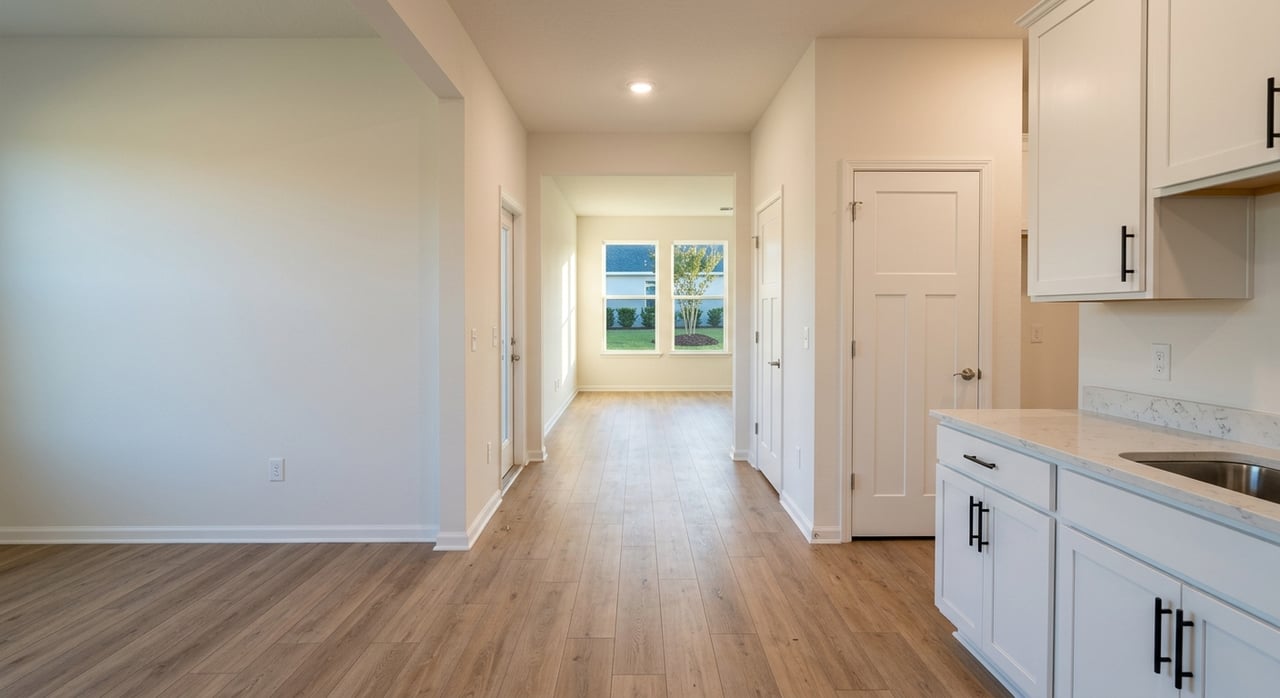
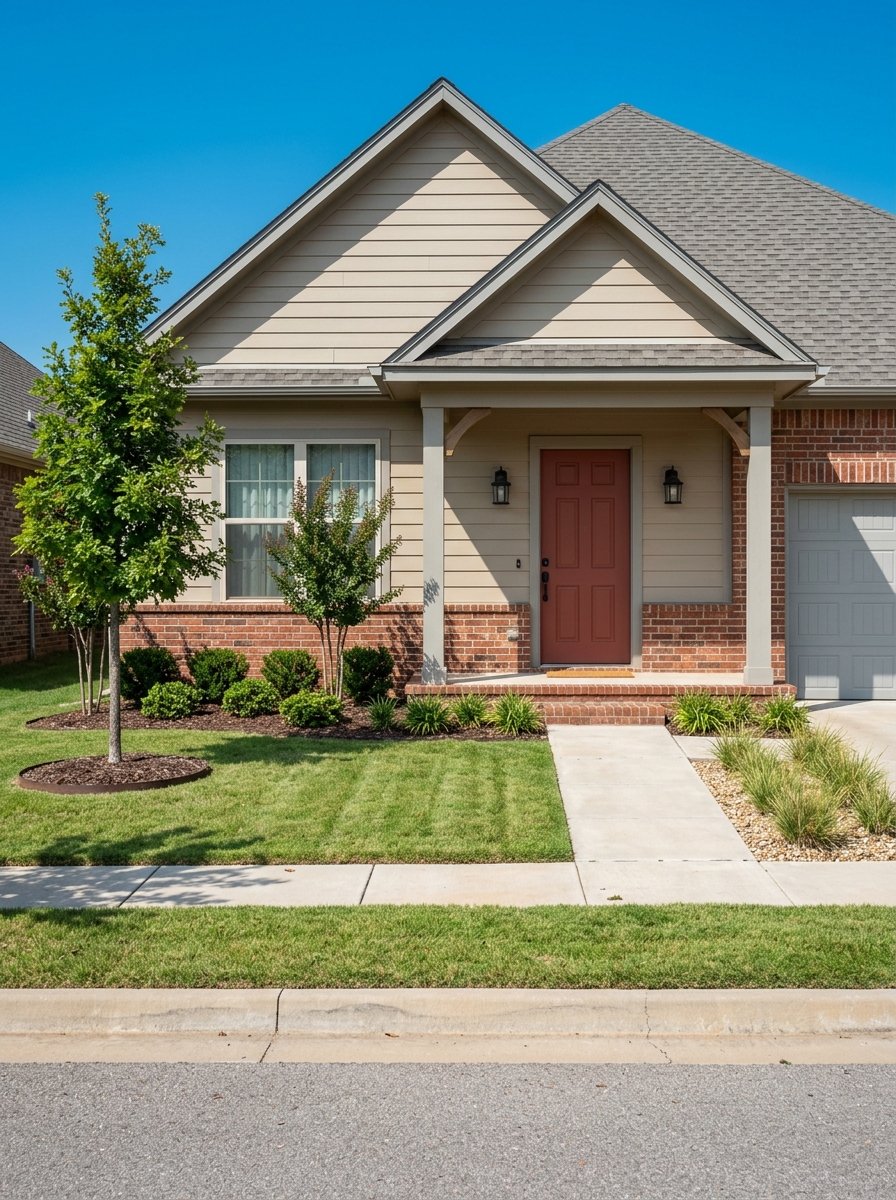
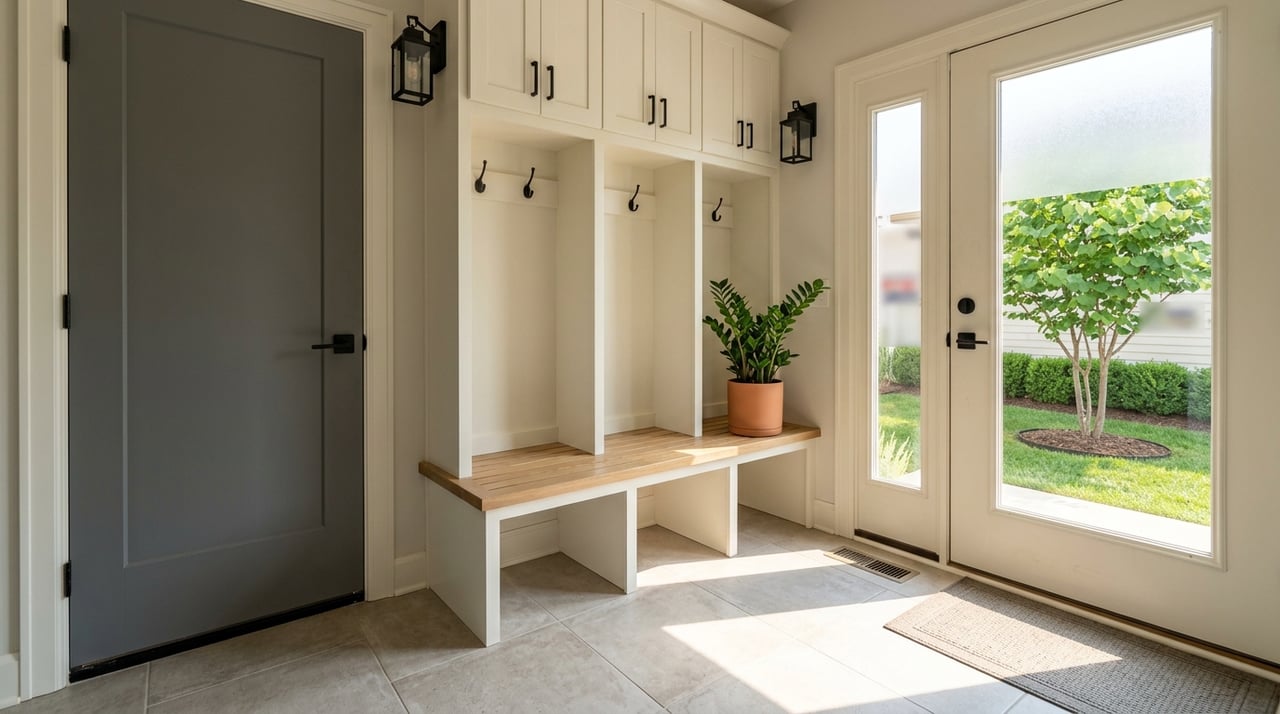
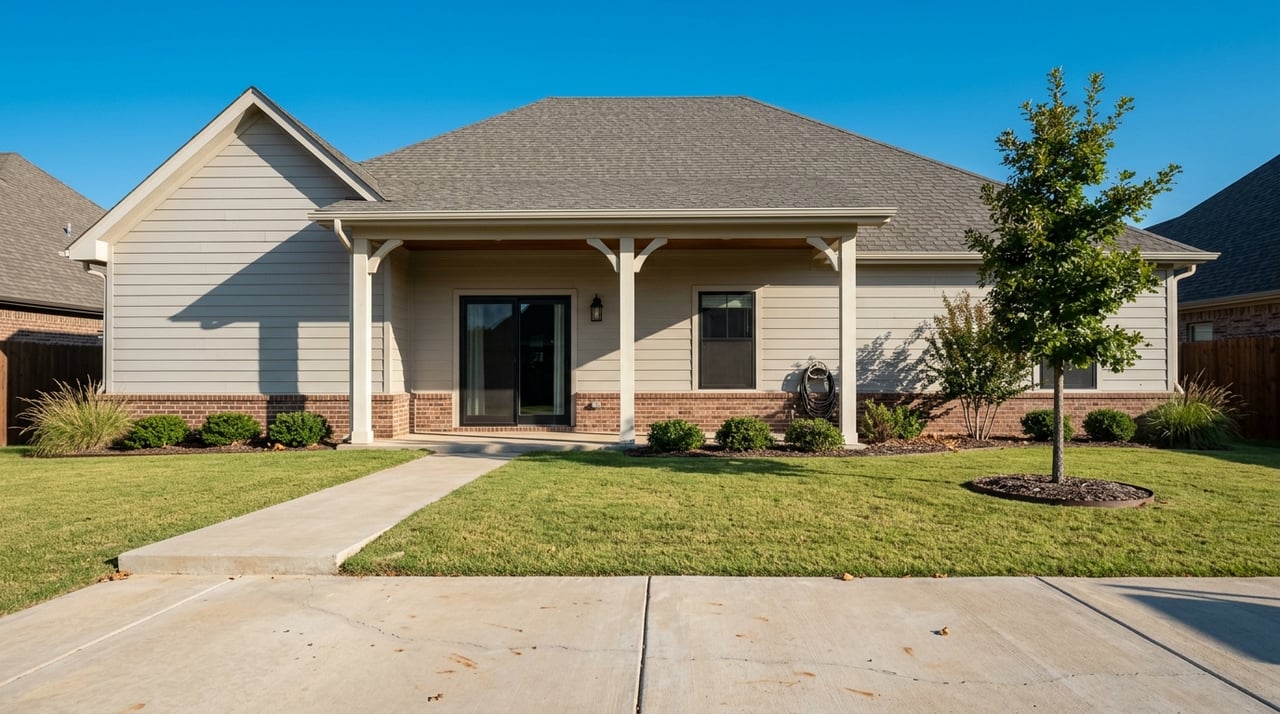
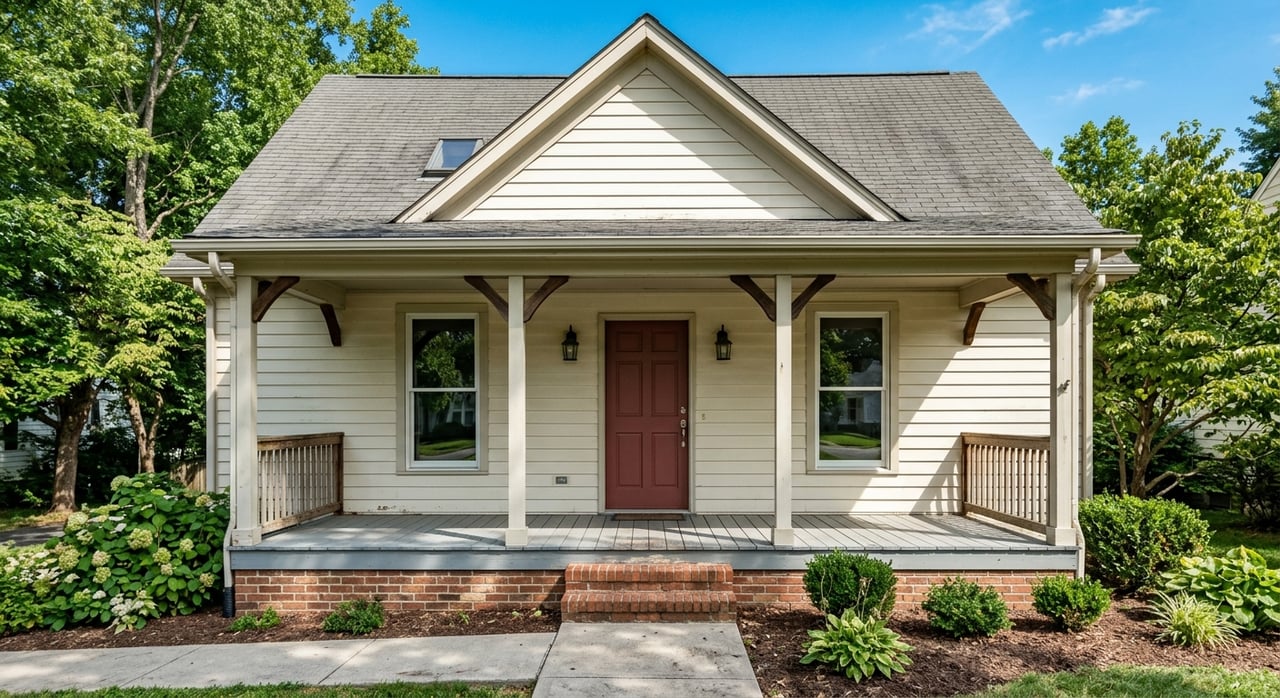
Even in an active market, presentation still matters. With homes often taking more than a month to sell, buyers have time to compare options. A clean, well-prepared home can help you stand out and support your asking price.
A practical pre-listing plan often includes:
- Minor repairs
- Deep cleaning
- Decluttering
- Simple staging
- Professional photography
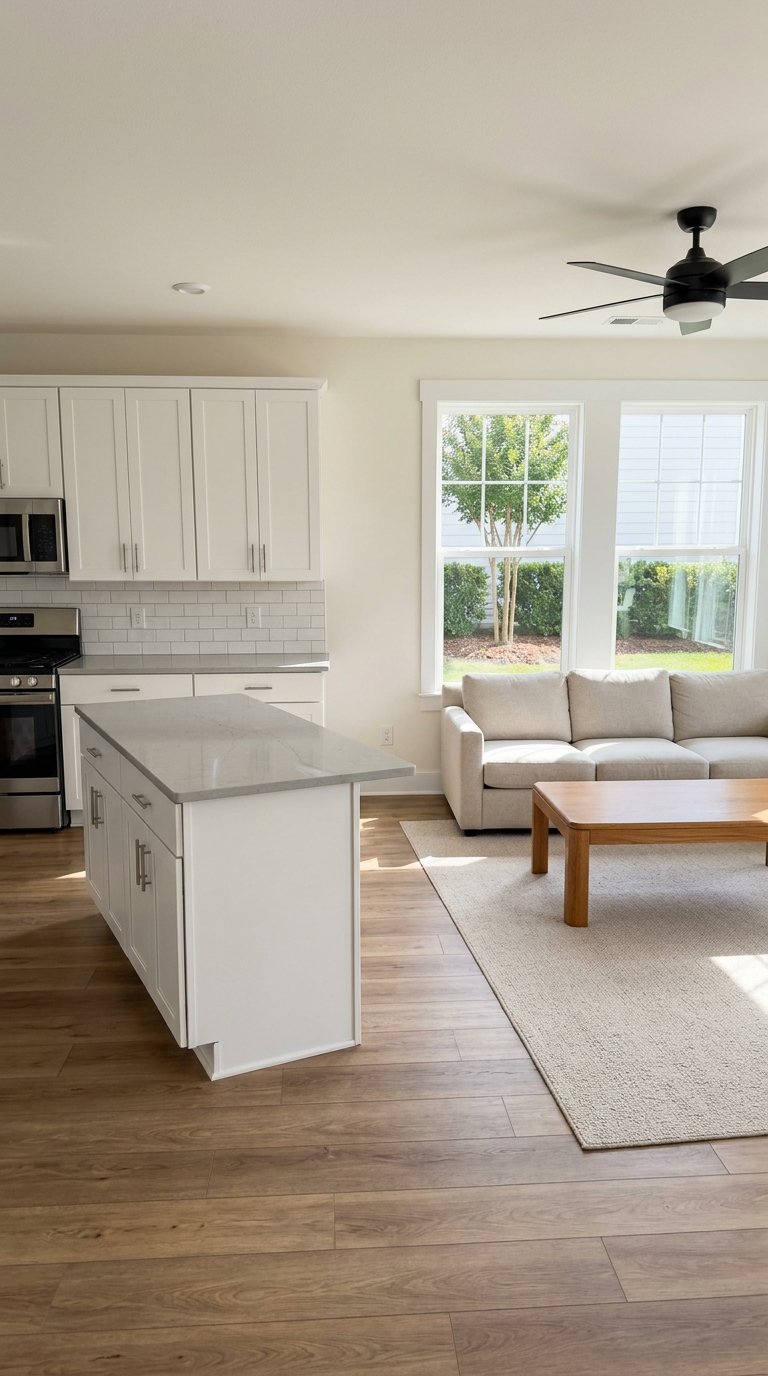
You do not need perfection, but you do want buyers to see a home that feels cared for and move-in ready. Small improvements can have an outsized impact on photos, showings, and buyer confidence.
Step 5: Launch with strong marketing
Once your home is ready, your listing needs strong exposure from day one. This is where a full-service approach can help, especially when buyers are being selective. Professional photos, MLS-integrated marketing, virtual tours, and targeted digital promotion can help your home reach serious buyers quickly.
This step matters because the first days on market are often when your listing gets the most attention. If the pricing, presentation, and marketing all line up, you are in a better position to generate showings and solid offers.
Step 6: Be ready for showings and feedback
After your home goes live, the next phase is activity and adjustment. You may have a steady stream of showings, or you may need to wait a bit depending on price range, location, and competition. In Edmond, recent data suggests some homes get multiple offers, but not every listing turns into a bidding war.
Feedback can be useful if it shows a pattern. If several buyers mention the same issue, such as condition, layout, or price, that information can help you decide whether to make a change. Staying flexible at this stage can protect your momentum.
Step 7: Review offers carefully
The highest offer is not always the strongest offer. Price matters, but so do financing, contingencies, timing, and the buyer’s ability to close. A clean offer with fewer hurdles can sometimes be better than a slightly higher offer with more risk.
When you review offers, pay close attention to:
- Purchase price
- Financing type
- Requested closing timeline
- Inspection terms
- Closing cost requests
- Any special contingencies
A responsive, local agent can help you compare the full picture so you can choose an offer that fits your goals.
Step 8: Navigate inspections and repair negotiations
Once you accept an offer, the contract phase begins. Under the standard Oklahoma residential sale form, the buyer generally has 10 days after the Time Reference Date to complete inspections and reviews if no other period is filled in. If the Time Reference Date is left blank, it defaults to the third day after both parties sign.
This is often one of the busiest parts of the sale. Buyers may request repairs, ask for credits, or raise concerns after inspections. In many cases, sellers do not have to agree to every repair request, and a credit can sometimes be used instead of completing certain items before closing.
Step 9: Stay on top of title and utility requirements
The title stage can affect your timeline too. The standard Oklahoma contract gives the buyer 10 days after receiving title evidence to review it. If title evidence is delivered too close to closing, the closing date can be extended so the buyer still has that review time.
The same contract also requires the seller to keep water, gas, and electricity on for buyer inspections and through closing or possession, whichever comes first. If a title issue comes up, the seller may have up to 30 days to cure it if that blank is left empty in the contract. These details can affect your moving plans, so it helps to stay organized.
Step 10: Prepare for closing costs and prorations
Closing day is more than just signing papers. Under the Oklahoma contract, closing includes signing documents, delivering the deed, and receiving funds. Sellers also have specific costs and prorations to expect.
Common seller-side items may include:
- Seller closing fee
- Documentary stamps
- Any seller recording fees
- Prorated current-year ad valorem taxes through the closing date
- Prorated HOA dues or assessments, if applicable
Oklahoma documentary stamp tax is one of the main seller costs. The current rate is $0.75 per $500 of consideration, or fraction thereof, on deeds over $100.
Step 11: Understand the likely timeline
Many sellers want to know how long the whole process will take. In Edmond, recent market data suggests the listing period itself often runs about a month to a month and a half. After that, the contract-to-close period can add several more weeks, especially if financing, inspections, repairs, or title issues need attention.
That means a realistic sale timeline is often longer than just the days on market. Planning ahead for your move, next purchase, or relocation can reduce stress once your home goes under contract.
Why local guidance matters in Edmond
Edmond is not a one-size-fits-all market. Pricing, buyer demand, and competition can vary a lot by area, price point, and property condition. Having neighborhood-level insight can help you make better decisions before you list and respond faster once offers start coming in.
That is where a relationship-driven, local approach can make the process feel less overwhelming. With responsive communication, clear next steps, and modern marketing tools, you can move through the sale with more confidence and fewer surprises.
If you are thinking about selling your home in Edmond, Kruckeberg Realty, LLC can help you price strategically, prepare your home for the market, and guide you through each step with local insight and responsive support.
FAQs
How long does it usually take to sell a home in Edmond?
- Recent Edmond market data suggests homes often spend about 36 to 47 days on the market, and the contract-to-close period can add several more weeks.
Do Edmond home sellers need to complete a property disclosure?
- Yes. Sellers of most one- or two-unit residential homes in Oklahoma generally must complete the Residential Property Condition Disclosure Statement before accepting an offer, unless a valid Disclaimer Statement applies.
Do sellers in Edmond have to fix every issue a buyer finds?
- No. Repair requests are negotiable, and some transactions are resolved with credits instead of repairs.
What extra steps apply when selling an older Edmond home?
- If the home was built before 1978, sellers must disclose known lead-based paint information, provide the required pamphlet, and allow a 10-day testing period unless the buyer waives it.
What closing costs do sellers commonly pay in Edmond?
- Sellers commonly pay the seller closing fee, documentary stamps, any seller recording fees, and prorated taxes and HOA amounts when applicable.
Why is pricing so important when selling a home in Edmond?
- Current data shows Edmond buyers are active but selective, and homes are often selling around asking price on average, which makes accurate pricing especially important.