Thinking about a move to Oklahoma City? One of the biggest surprises for relocation buyers is how much your day-to-day experience can change depending on which part of the metro you choose. In a city this large, the right area is usually less about picking a name on the map and more about matching your commute, budget, and lifestyle to the right location. If you want to make a smart move with fewer surprises, this guide will help you narrow your options. Let’s dive in.
Why area matters in Oklahoma City
Oklahoma City covers about 621 square miles, so two homes with the same city name can offer very different routines. One may put you close to downtown restaurants and transit, while another may mean more driving, more space, or a different school district assignment.
That is why relocation decisions here often start with logistics first. Your route to work, your preferred pace of life, and the exact address you choose can shape your experience more than the city label alone.
Start with your daily commute
If you are moving to Oklahoma City for work, your commute should be one of the first filters you use. The metro is large, and a location that looks close on a map may feel very different during a normal weekday.
Downtown Oklahoma City and the northwest corridor have the strongest transit options. EMBARK currently operates a 22-route bus system, RAPID NW bus rapid transit in northwest Oklahoma City, and two downtown streetcar routes.
If you expect to spend most of your time downtown or along the northwest corridor, that access may matter a lot. In many other parts of the metro, your choice will usually be more car-oriented.
Areas with easier central access
If a shorter commute to the urban core is high on your list, these areas are often worth a closer look:
- Downtown Oklahoma City
- Midtown
- Bricktown
- Deep Deuce
- Automobile Alley
- Plaza District
- Uptown 23rd
- Bethany
- Warr Acres
Each area offers a different mix of access, housing style, and daily convenience. The best fit depends on where you need to be most often and how you want your routine to feel.
Choose the lifestyle that fits you
Once you narrow your commute, the next question is lifestyle. In Oklahoma City, the biggest tradeoff is often walkability and central activity versus more traditional suburban space and highway access.
Urban core living
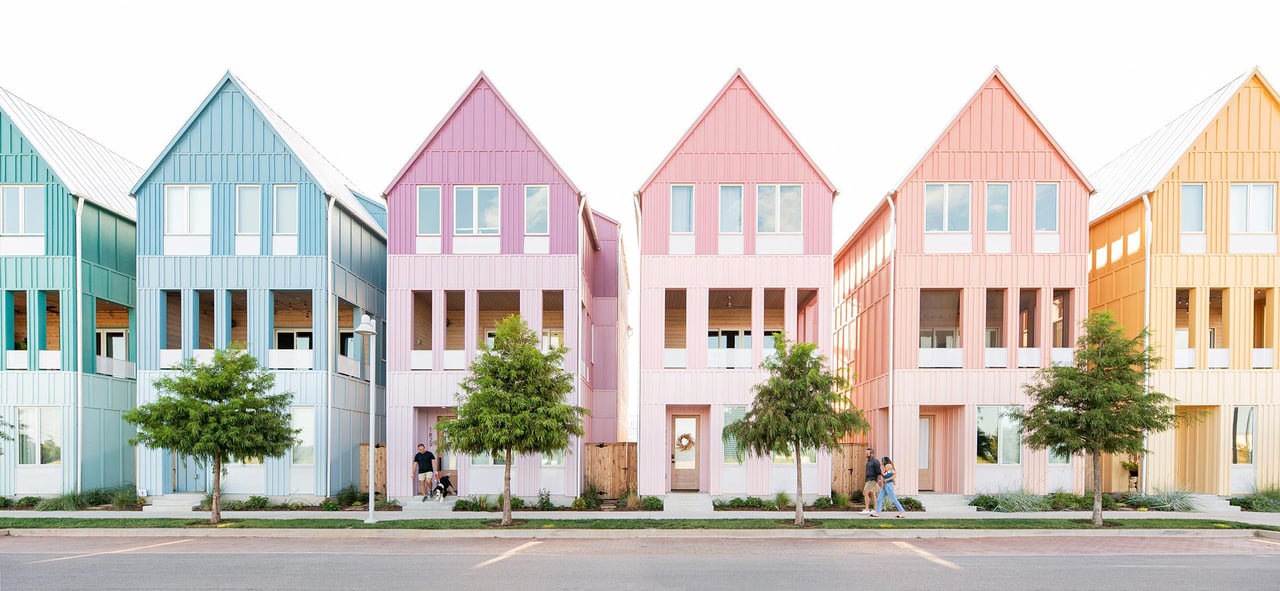
If you want a more walkable routine, the core districts offer the clearest urban-style options in the metro. These areas are especially relevant if you enjoy being near restaurants, local shops, arts venues, events, and central business areas.
Downtown Oklahoma City is the city’s center and the most intense development area in the current planning framework. Midtown sits just north of downtown and combines shopping, restaurants, bars, housing, lodging, and professional services.
Bricktown is east of downtown and remains a well-known entertainment district with more than 45 restaurants, bars, and retail shops along with the Bricktown Canal. Deep Deuce is described as a walkable urban neighborhood with restaurants, art galleries, pet-friendly businesses, and apartment or condo living.
Automobile Alley adds a historic commercial setting with street-level amenities and events. The Plaza District centers on arts, local business, galleries, studios, restaurants, and performance venues, while Uptown 23rd offers a distinct district feel along the historic Route 66 corridor.
Suburban-style living
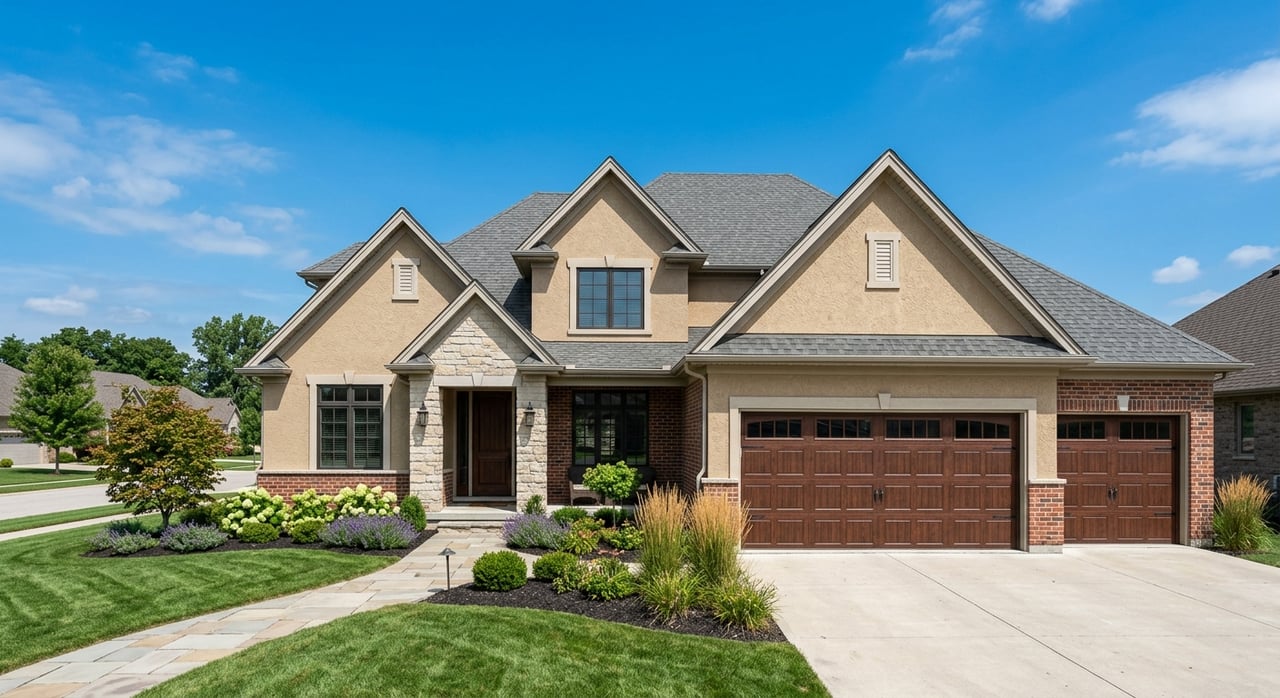
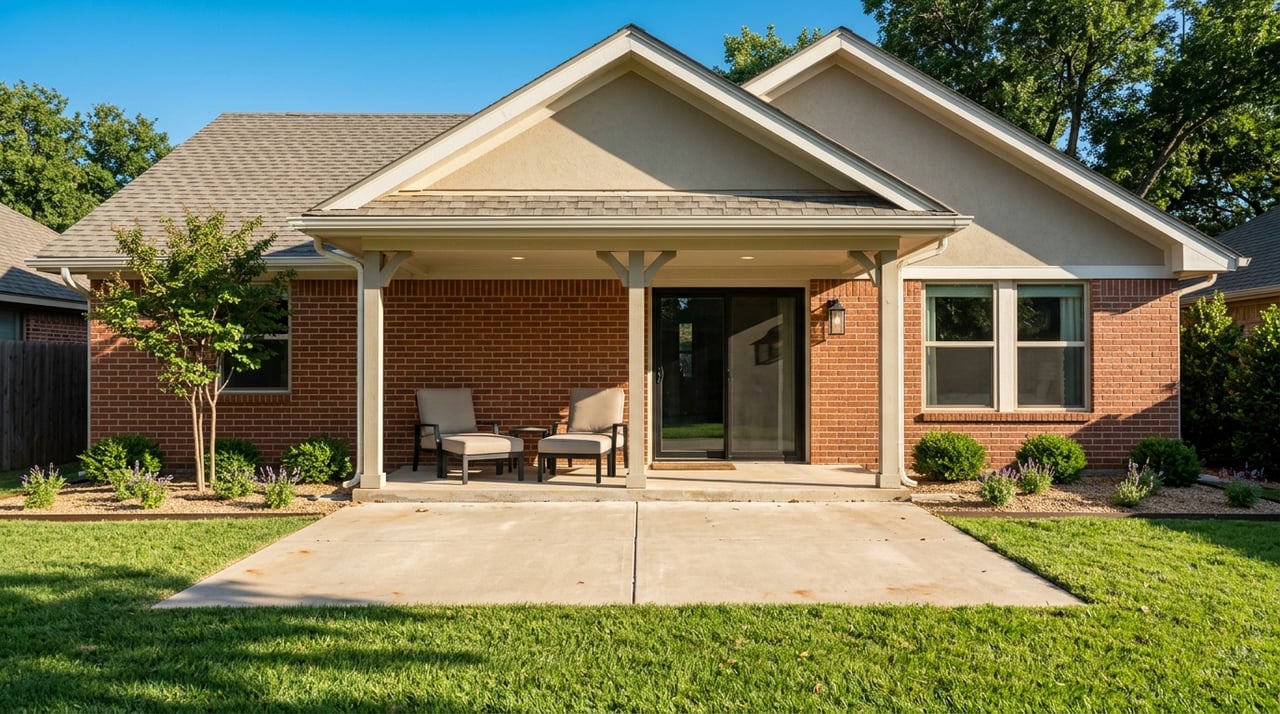
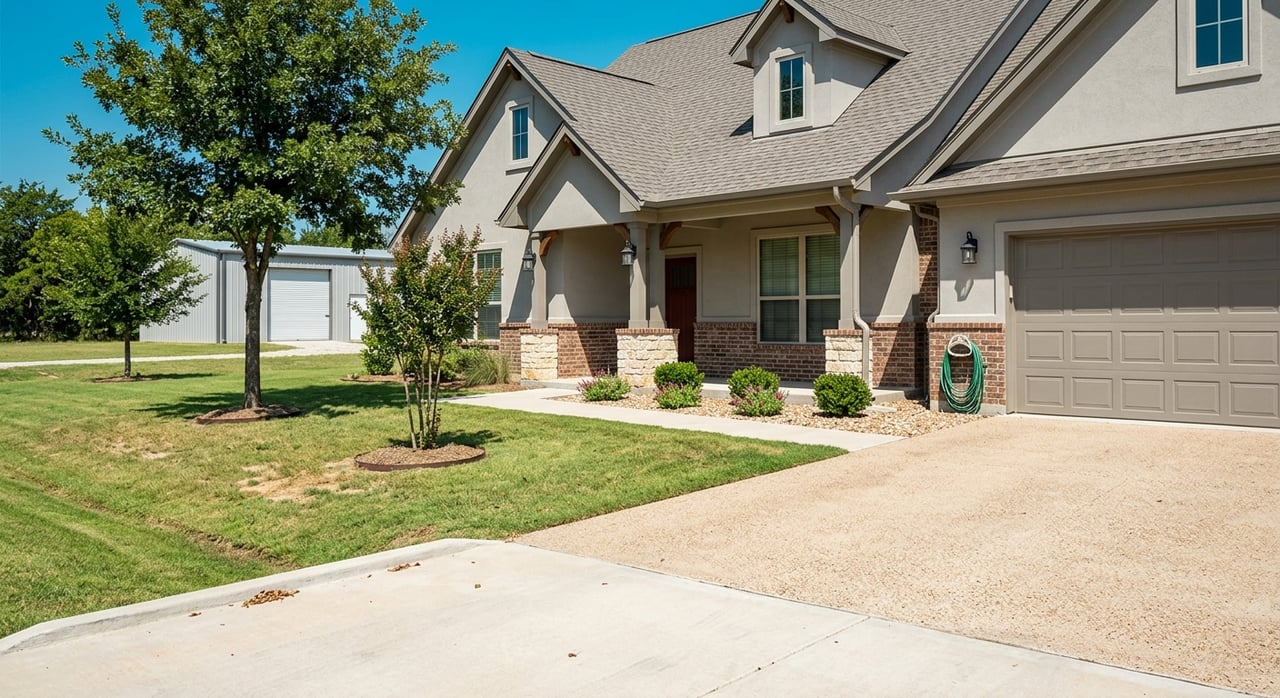
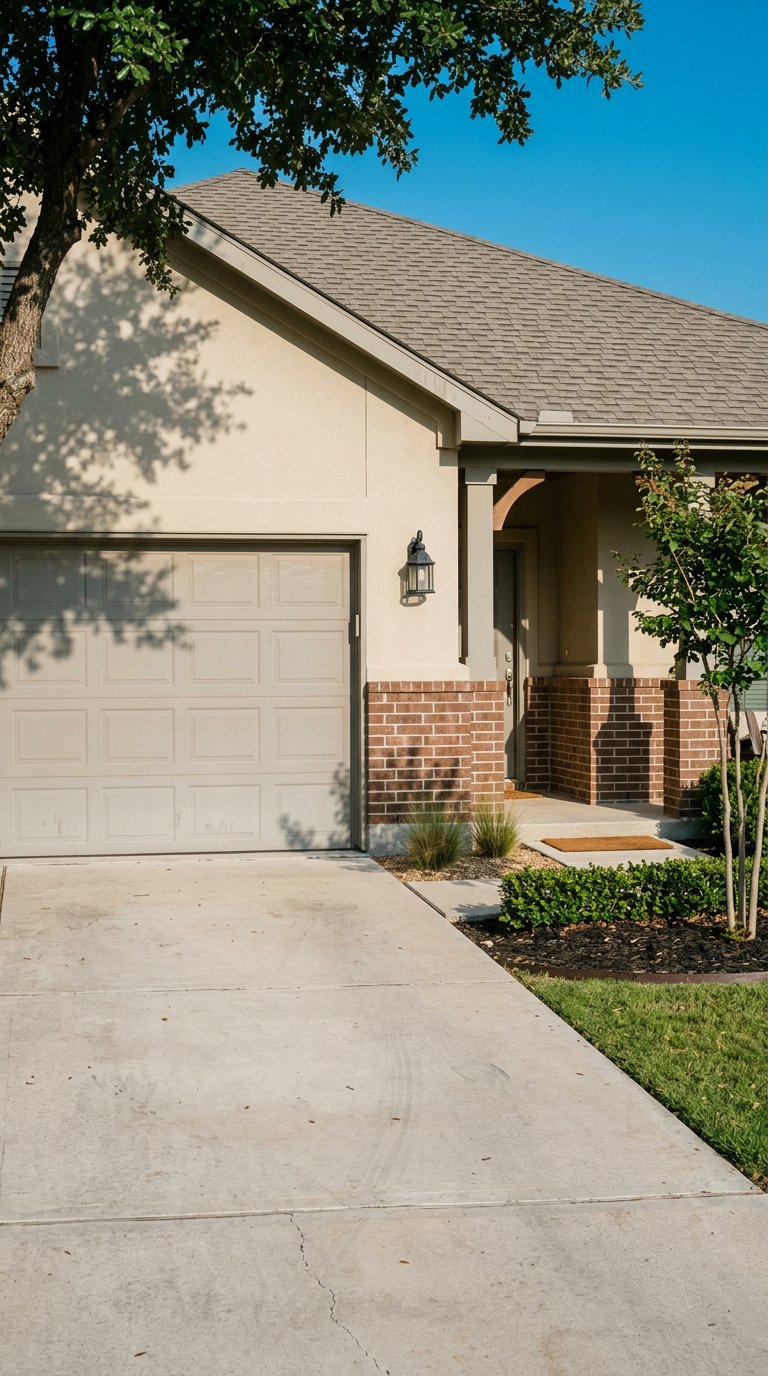
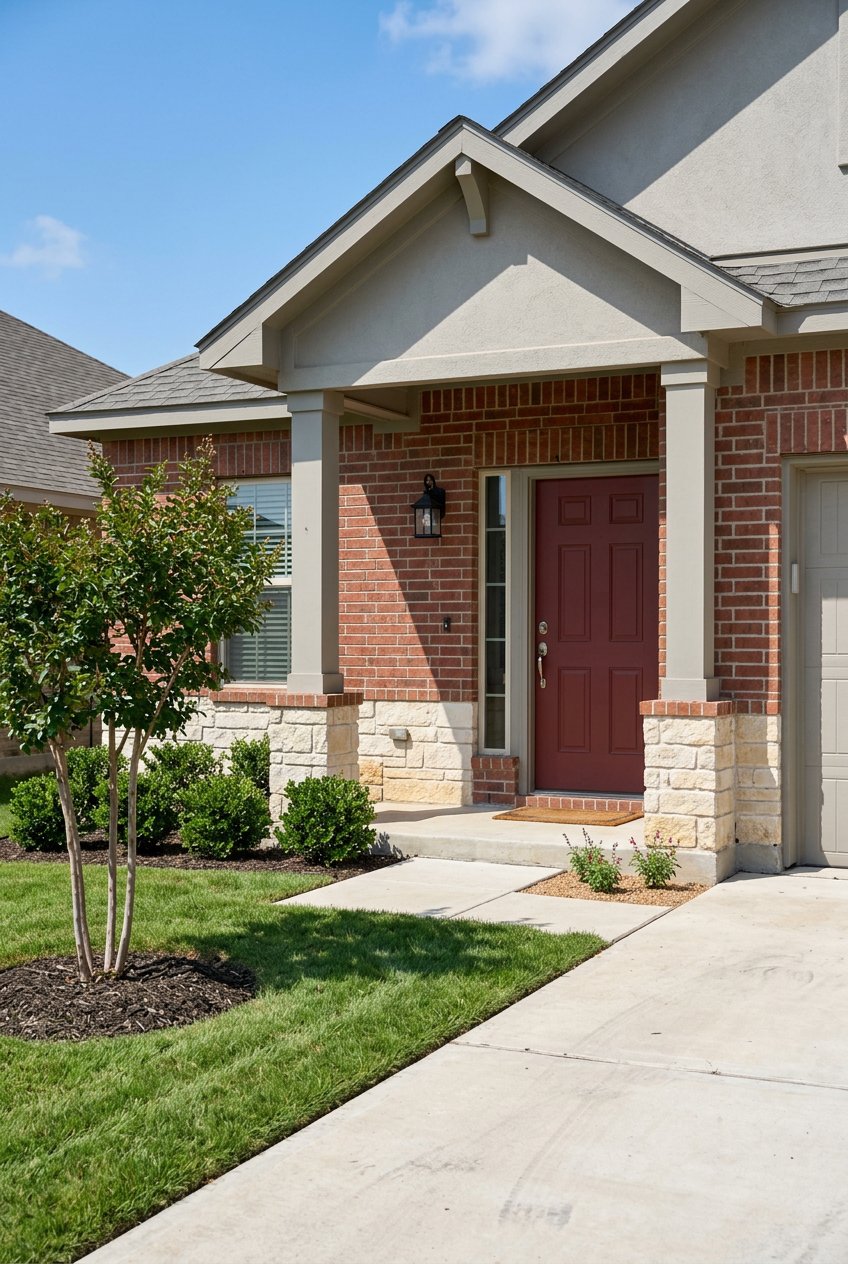
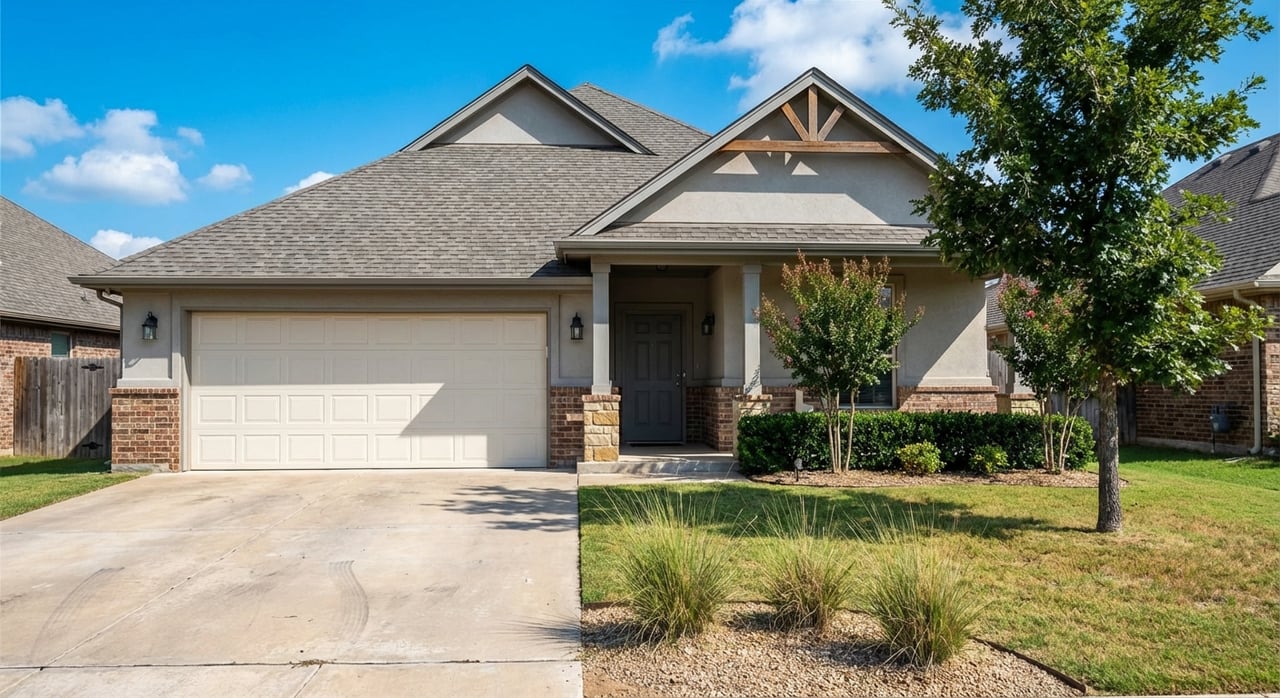
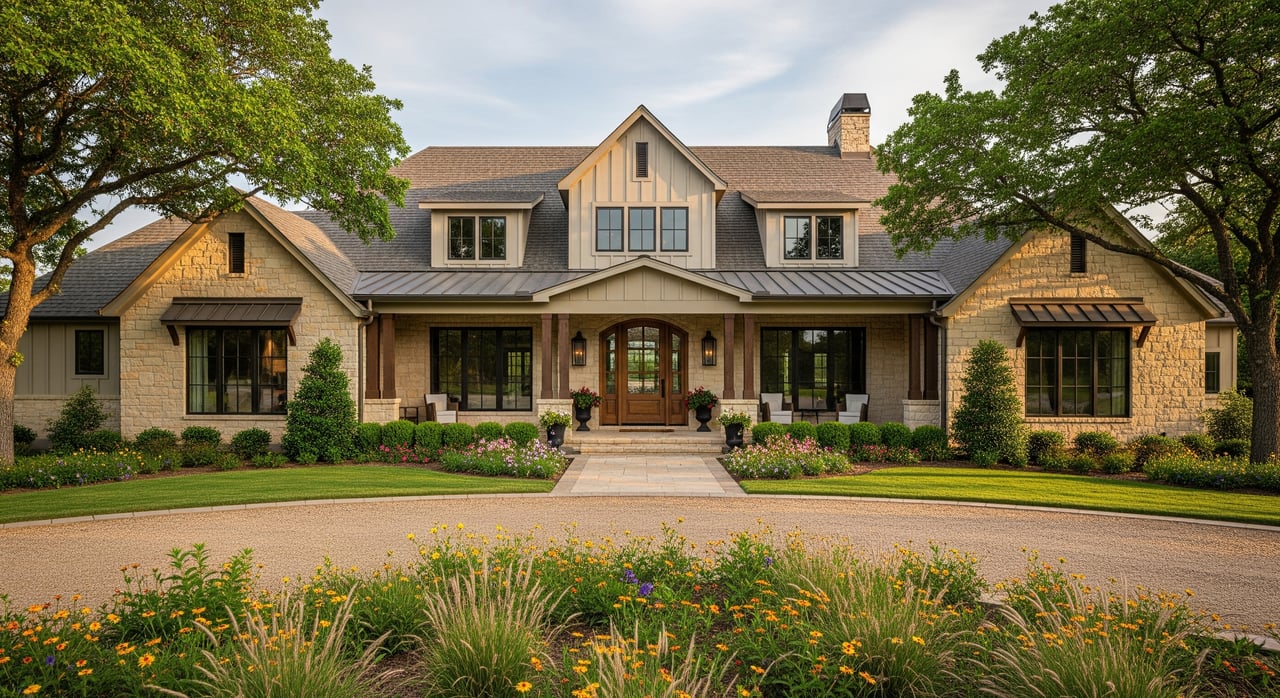
If you want more space, more highway access, or a more traditional residential setup, you may feel more comfortable in the suburbs and outer communities. These areas are often top of mind for relocation buyers comparing home size, lot size, and access to different parts of the metro.
Bethany is a west-side option about 12 miles from downtown Oklahoma City. Warr Acres is another close-in western Oklahoma County choice and is described by the city as a centrally located northwest Oklahoma City community with convenient access to the metro.
Edmond is a major northside suburb just north of Oklahoma City. Yukon sits on the western boundary of Oklahoma City along I-40, Mustang is southwest of the metro near I-40, the FAA, and Will Rogers World Airport, and Moore sits south of Oklahoma City along I-35 between Oklahoma City and Norman.
Compare home prices by area
One of the most important parts of choosing the right area is understanding that Oklahoma City does not have one single price point. Different parts of the metro sit in very different pricing bands.
In May 2026, Oklahoma City’s citywide median sale price was $269,839. Downtown Oklahoma City was much higher at $414,860, while Edmond’s median sale price was $391,766.
On the more value-oriented side, Yukon and Moore were both around $235,000, and Mustang was $261,194. That spread shows why area choice is really a tradeoff between budget, commute, and lifestyle.
| Area | Median Sale Price |
|---|---|
| Oklahoma City | $269,839 |
| Downtown Oklahoma City | $414,860 |
| Edmond | $391,766 |
| Mustang | $261,194 |
| Yukon | Around $235,000 |
| Moore | Around $235,000 |
Downtown also took 59 days on market, which suggests a more selective pace than some other parts of the metro. For you as a buyer, that can mean your search strategy should match the submarket, not just the city name.
Verify school district by address
If school district is part of your move, be careful about making assumptions based on a city alone. In this metro, district assignment is often an address-level question.
Edmond Public Schools assigns home schools by home address. Putnam City Schools requires residence within district boundaries, and Moore Public Schools serves south Oklahoma City and Moore.
That means two homes that seem close together may not have the same school assignment. If this matters to your move, verifying the exact address early can save you time and help you compare homes more accurately.
Think beyond city names
Many relocation buyers start by asking whether they should live in Oklahoma City, Edmond, Yukon, Mustang, Moore, Bethany, or Warr Acres. That is a fair starting point, but the better question is usually how each option fits your everyday life.
For example, if you want a more urban feel and easier access to downtown, Midtown, Deep Deuce, Bricktown, or nearby districts may rise to the top. If you want a northside suburban setting, Edmond may become a stronger comparison.
If your priority is highway access and a lower price point than some core and northside areas, Yukon, Mustang, or Moore may deserve a closer look. If you want to stay near the city center without living in the middle of it, Bethany and Warr Acres can also be part of that conversation.
A simple way to narrow your search
If you feel overwhelmed by the number of choices, use this three-step filter:
1. Map your weekly routine
List the places you expect to visit most often. Think about work, the airport, schools, shopping, and any regular activities.
2. Decide your lifestyle priorities
Ask yourself what matters more right now:
- Walkability
- Dining and entertainment nearby
- More space
- Highway access
- A shorter commute
- A specific school district
- A lower price point
3. Match your budget to your preferred area type
Once you know your priorities, compare them with the price bands in the metro. This step can quickly show whether your best fit is likely in the urban core, a close-in suburb, or an outer community.
How a local agent helps with relocation
When you are moving from outside the area, the hardest part is often not finding homes. It is understanding how different parts of the metro actually live from day to day.
A local agent can help you compare commute paths, verify school boundaries for a specific address, and match your budget to the right type of neighborhood. In a large metro with distinct submarkets, that local context can make your search much more efficient.
If you are planning a move to Central Oklahoma, Kruckeberg Realty, LLC can help you compare Oklahoma City areas, sort through your options, and find the location that fits your routine and goals.
FAQs
What matters most when choosing an area in Oklahoma City?
- In Oklahoma City, the biggest factors are usually your commute, your preferred lifestyle, your budget, and the exact school district tied to a specific address.
Which Oklahoma City areas are best for walkability and central access?
- Downtown Oklahoma City, Midtown, Bricktown, Deep Deuce, Automobile Alley, the Plaza District, and Uptown 23rd are among the most relevant areas for buyers who want more central access and a more walkable routine.
Which suburbs do relocation buyers often compare around Oklahoma City?
- Common comparisons include Edmond, Yukon, Mustang, Moore, Bethany, and Warr Acres because each offers a different mix of access, price, and residential setting.
Does school district depend on the city name in Oklahoma City?
- No. In many cases, school assignment depends on the exact home address, so it is important to verify district boundaries for any property you are considering.
Is transit important when choosing where to live in Oklahoma City?
- Transit matters most if you expect to spend a lot of time downtown or along the northwest corridor, where EMBARK’s streetcar, bus routes, and RAPID NW service are concentrated.